I noticed that there was a conversation
missing from the world of running advertising.
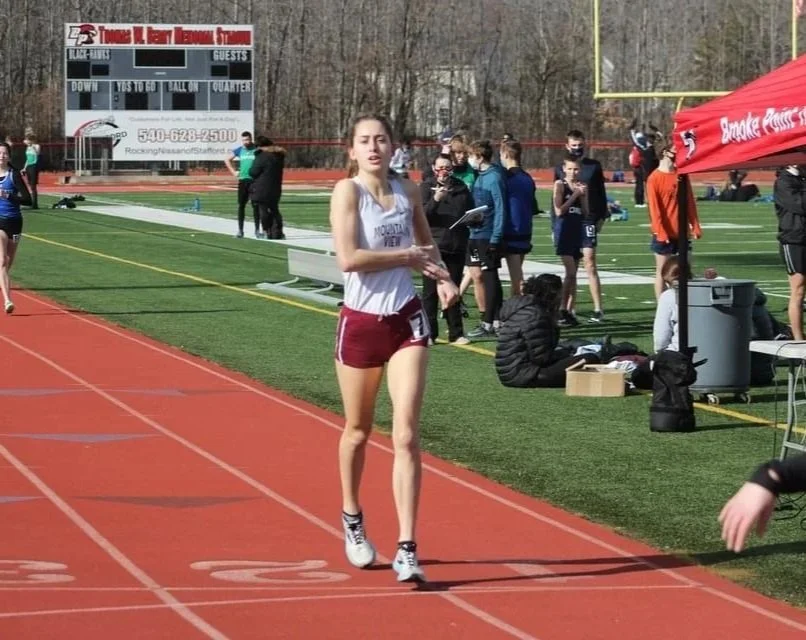
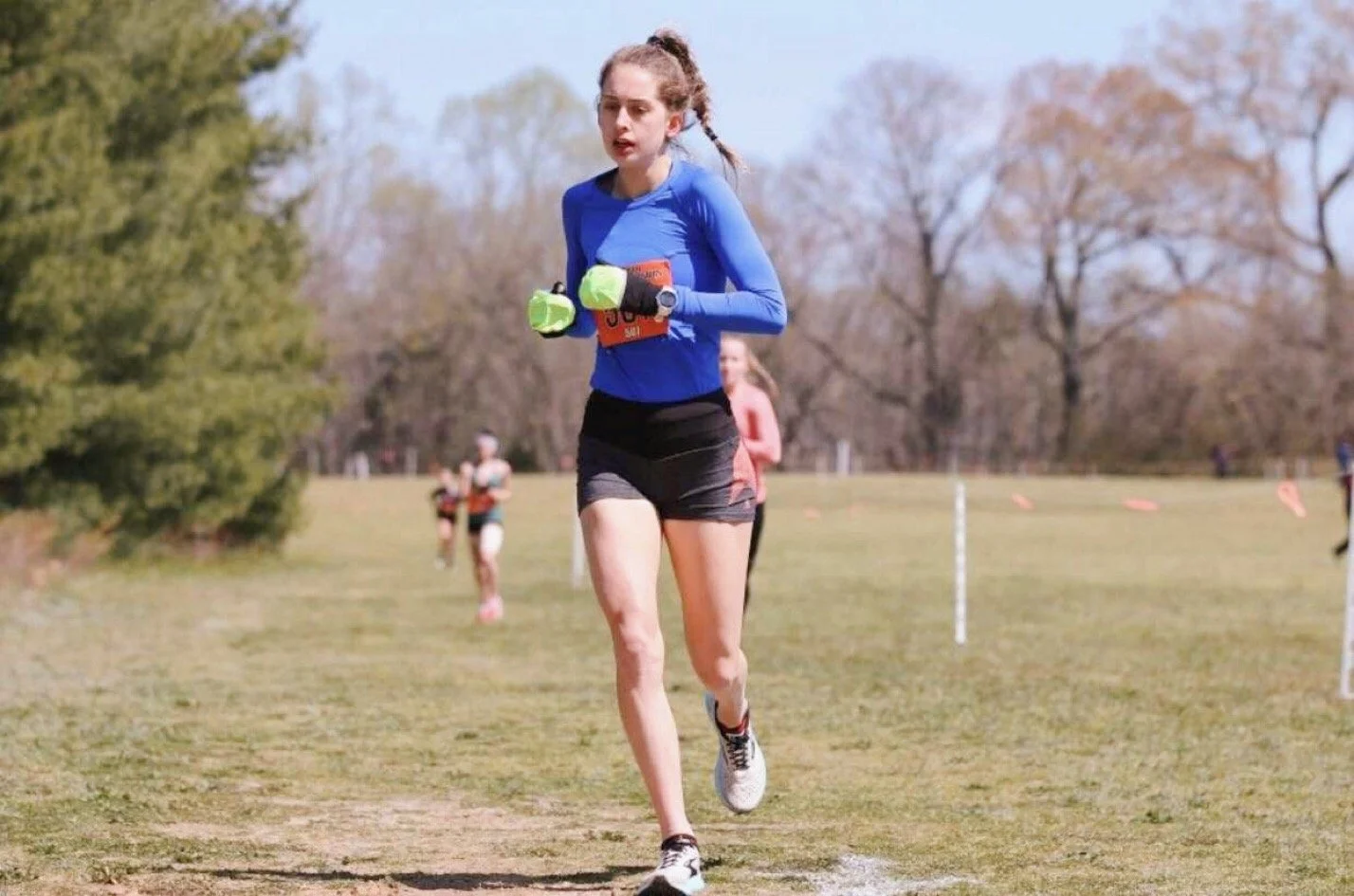
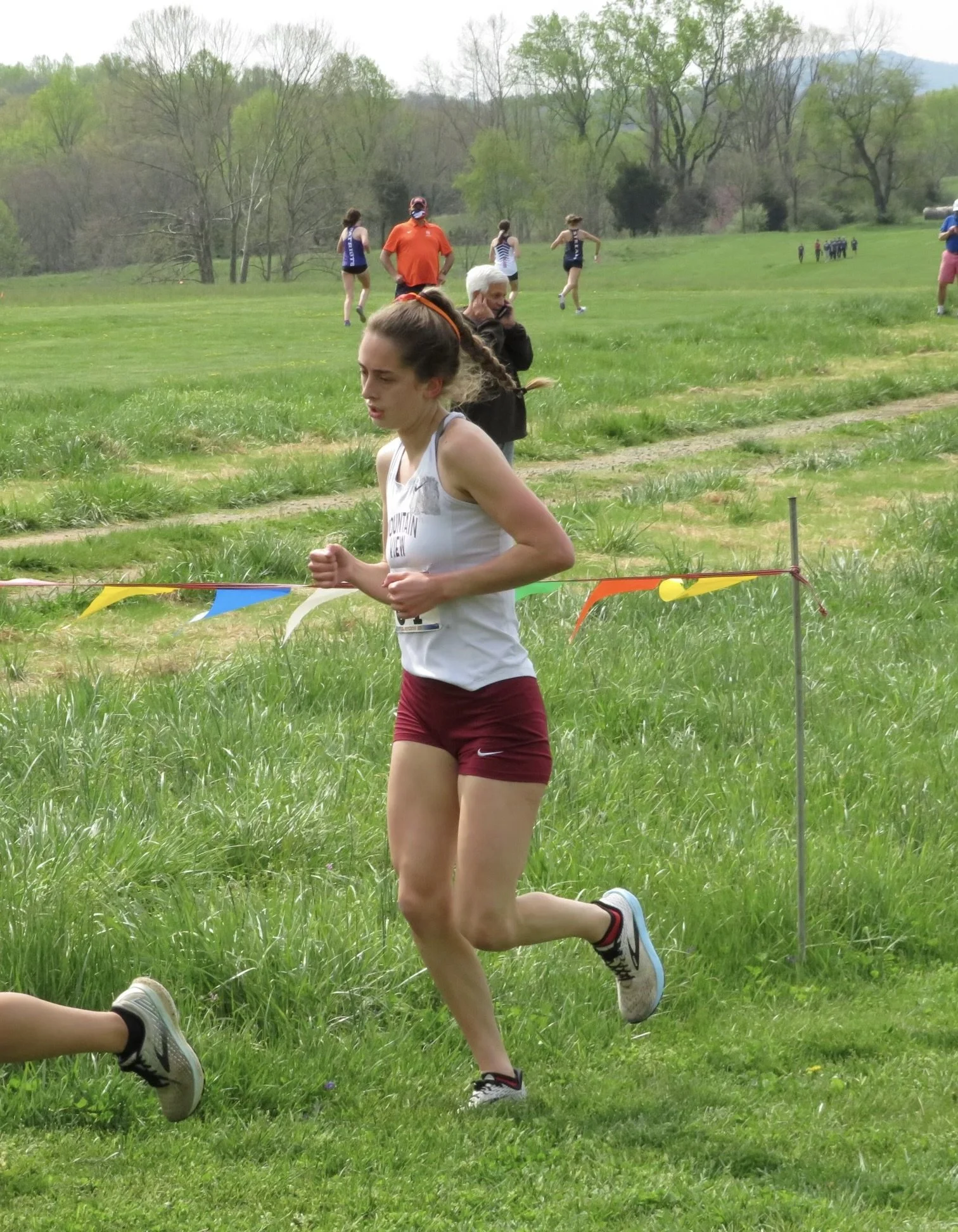
I have been a competitive distance runner for over a decade and competed in college as well.
Running has given me some of the most best friendships and
memories, and many runners can relate to those positive experiences!
Alongside all of the positives is a difficult reality:
female distance runners experience some of the highest rates
of disordered eating and eating disorders in collegiate athletics.
The pressure to perform, look a certain way, and tie self-worth to athletic
success can have lasting impacts on athletes...
The numbers are scary…
47%
20-31%
96%
of female athletes in leanness sports like running
experience disordered eating behaviors.
of elite female athletes
experience eating disorders.
of people with lived experience of
eating disorders encounter
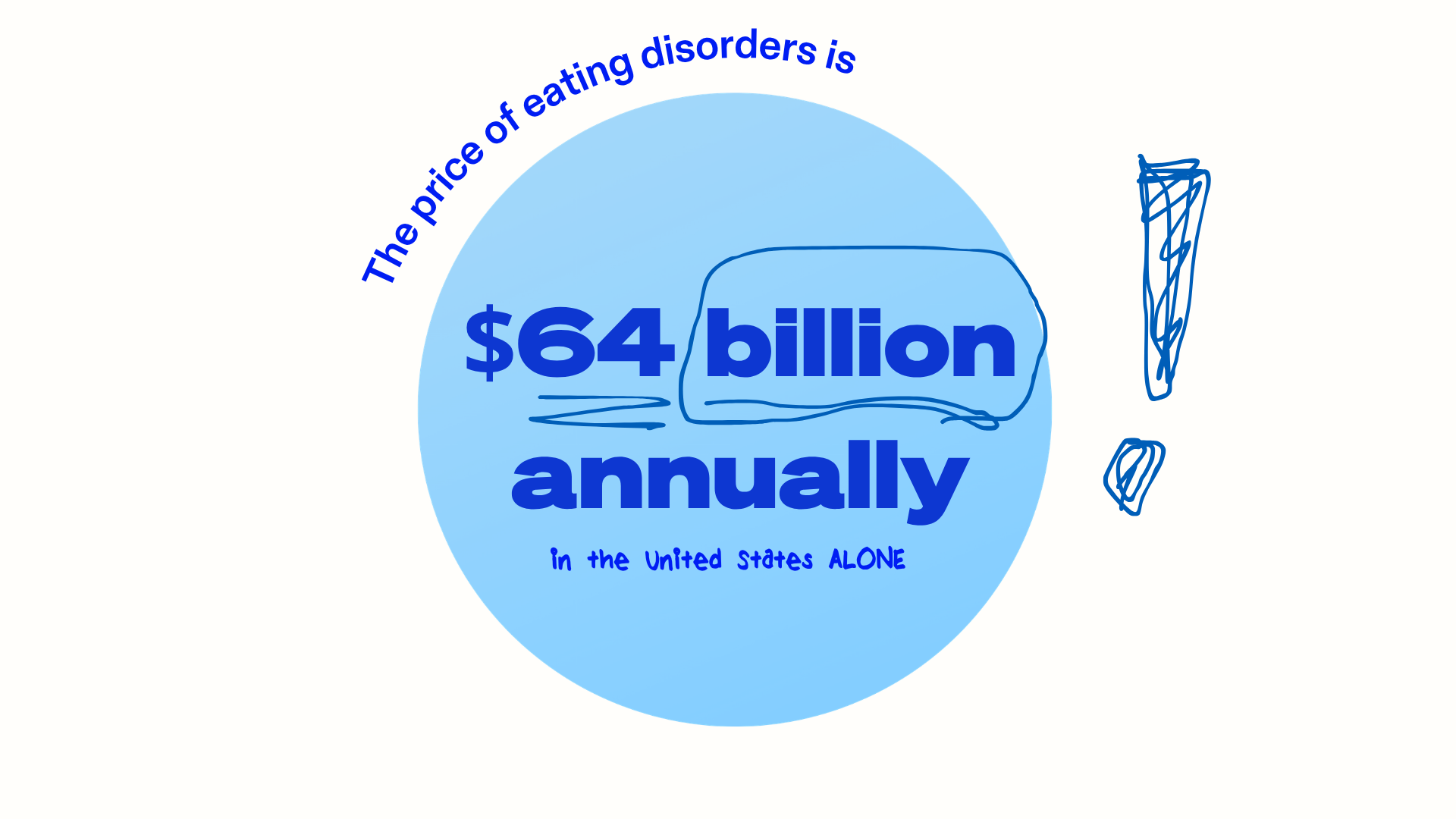
harmful diet-related advertising online.
at a larger scale
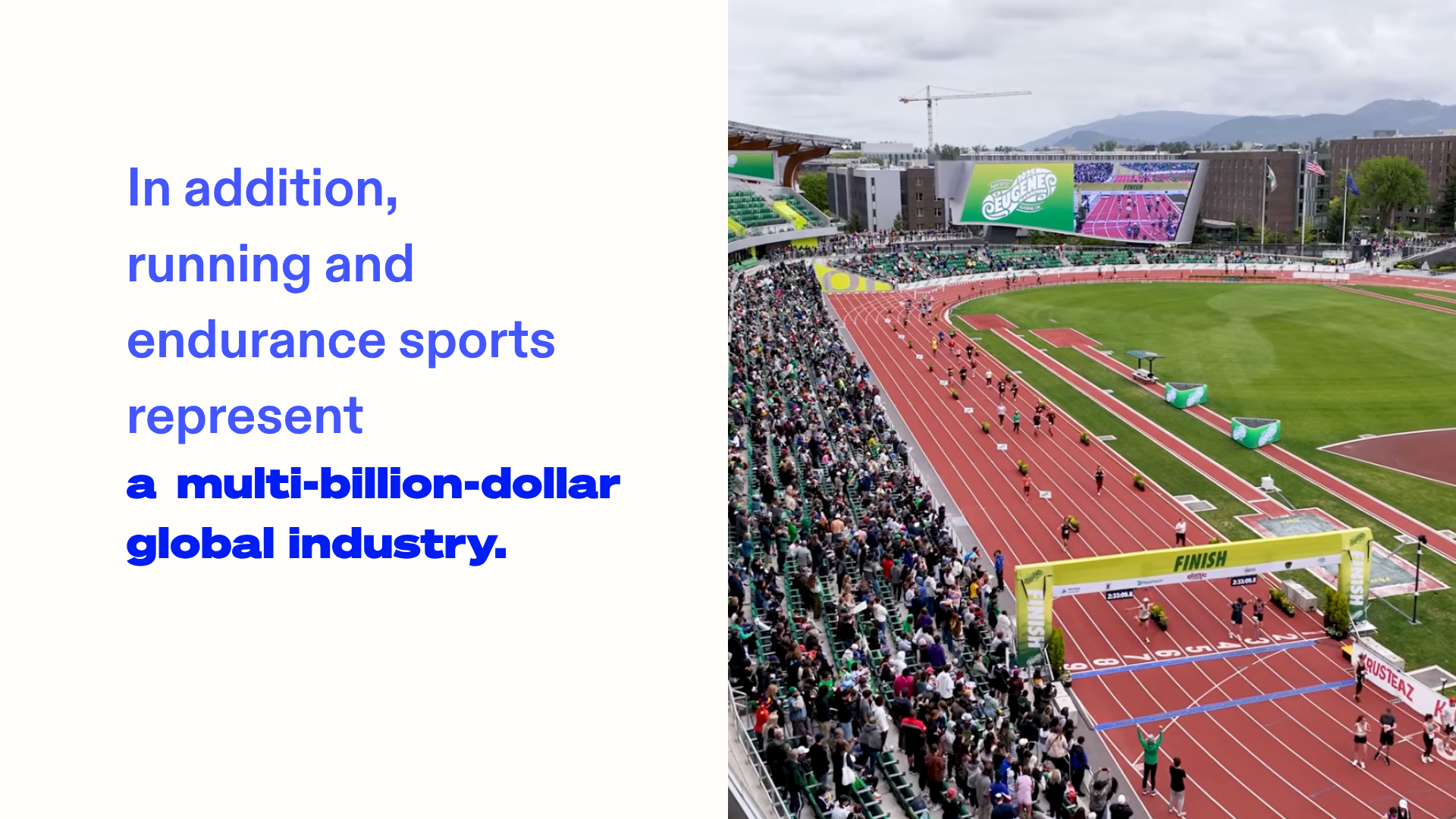
i noticed….
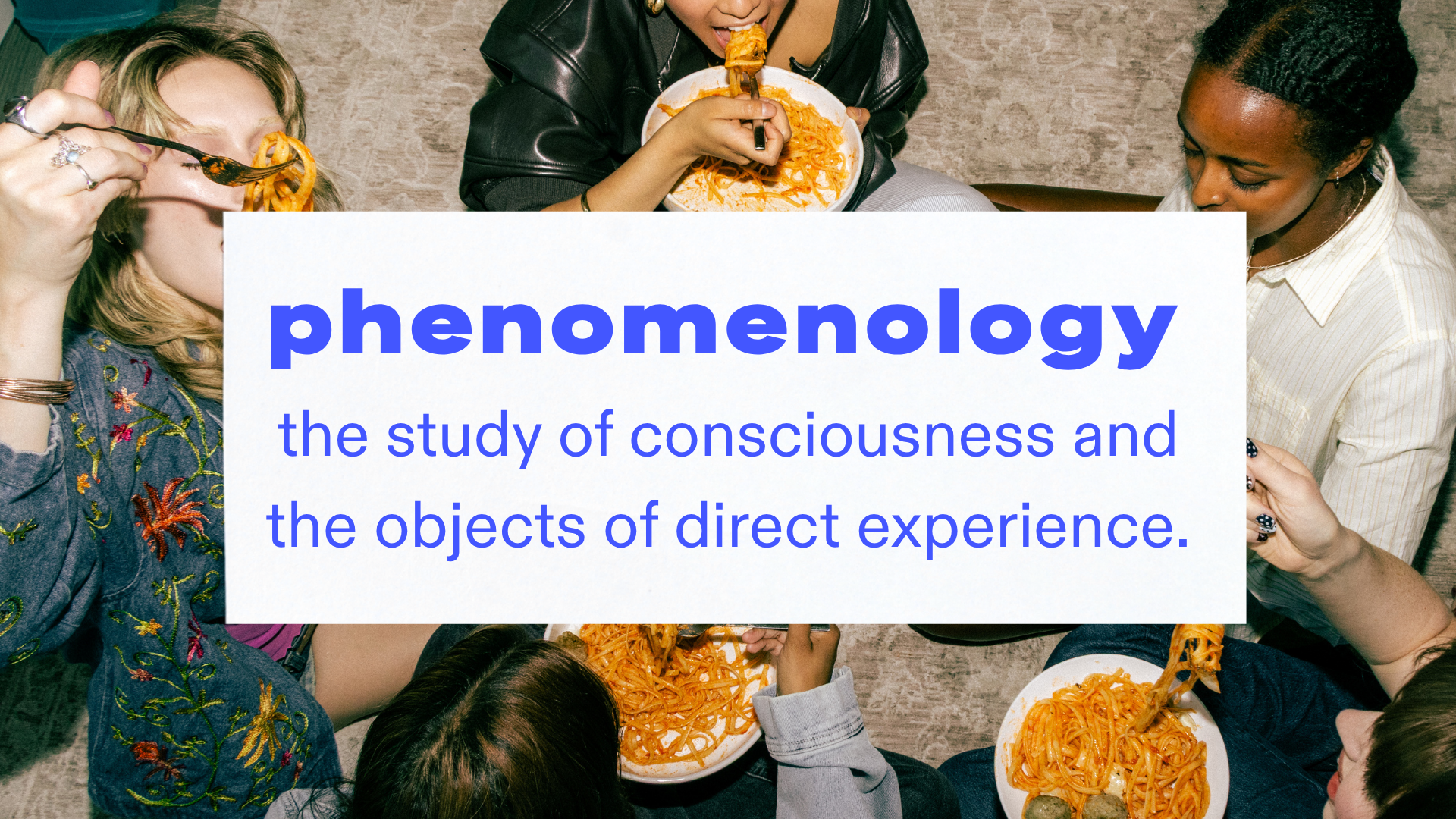
I turned to media studies theory. Phenomenology focuses on
individuals' lived experiences and how they interpret the world around them.
Rather than relying solely on statistics or outside observations,
a phenomenological approach allowed me to center
the voices of female distance runners themselves and understand how they
experience identity, performance, community, and well-being within the sport.
-
![]()
I conducted a competitive industry analysis to identify the brand that best aligned with my vision and goals for the spec ad.
-
![]()
I conducted 15 one-on-one interviews, gathering stories from former collegiate distance runners.
-
![]()
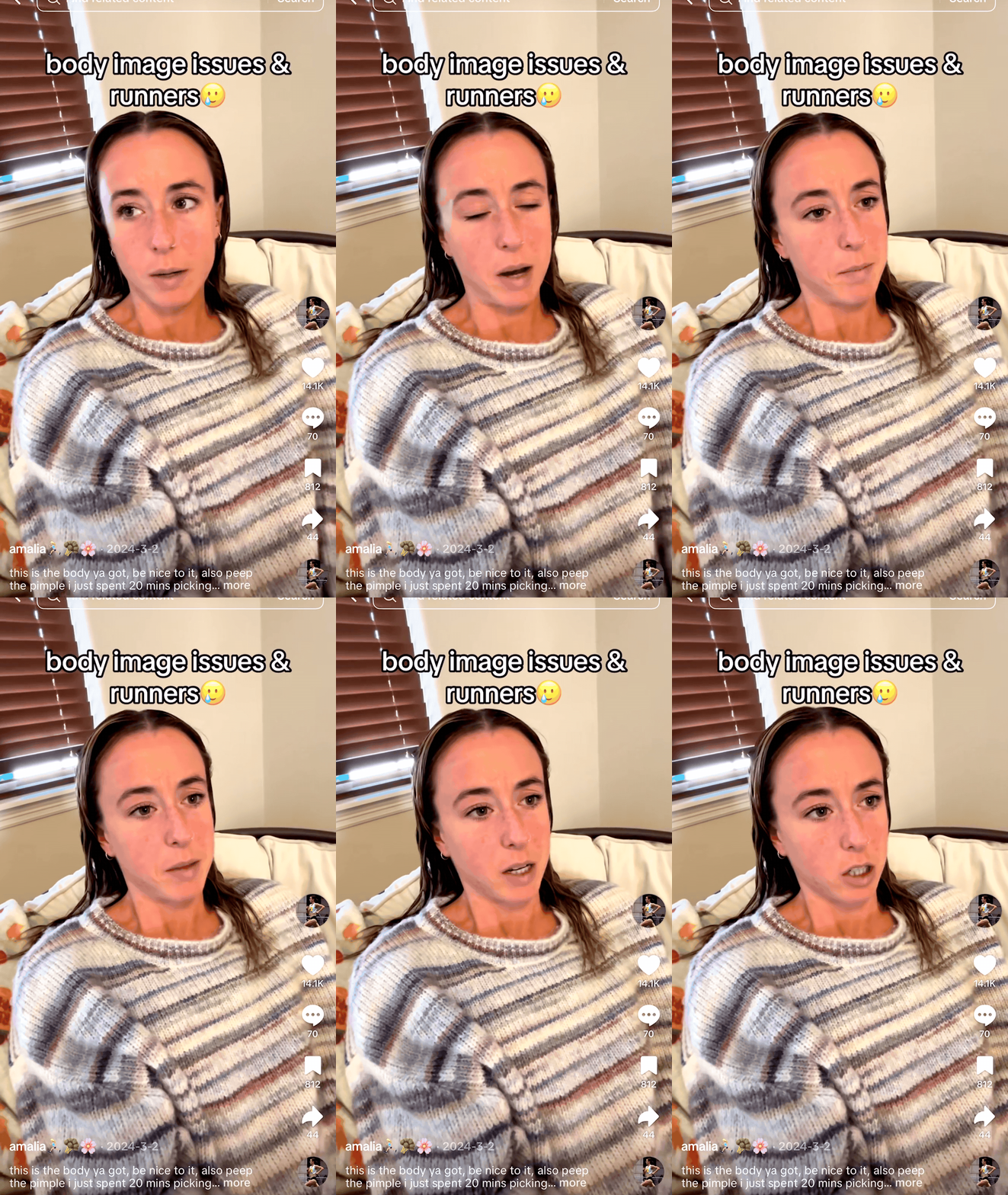
I explored how distance running and mental health show up across social media.
-
![]()
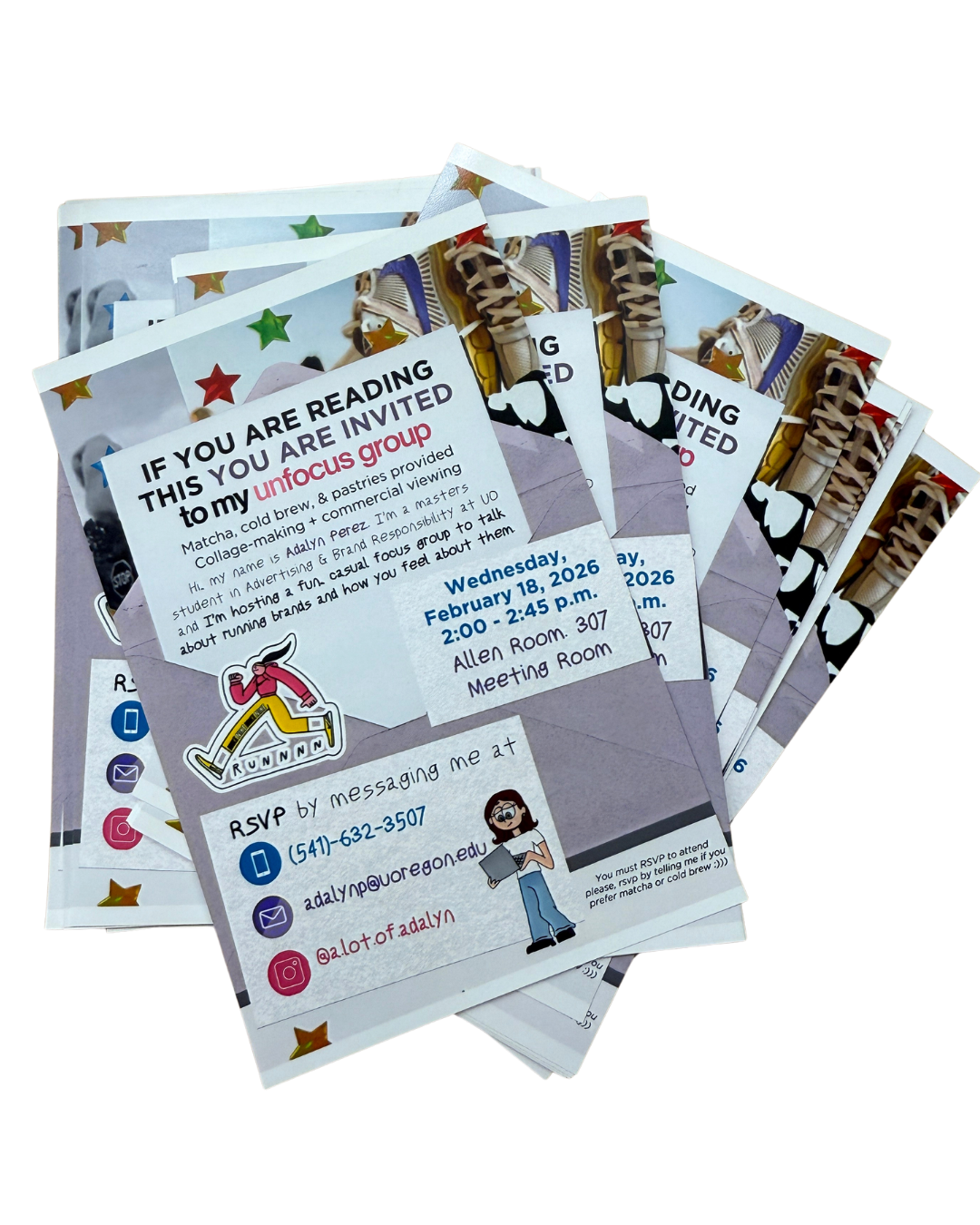
I hosted a focus group at the University of Oregon. Click the link below to learn more about the event and its results.


I organized and facilitated a focus group at the University of Oregon to explore how Gen Z
audiences interpret motivation and pressure within running advertisements and brand slogans.
To gather a range of perspectives, I intentionally opened participation to all
University of Oregon students rather than limiting the discussion to runners alone.
KEY LEARNINGS
The focus group found that Gen-Z college students preferred messaging about showing up and consistency over performance-focused language.
Also prefers broader messaging that is not solely running focused.
“Here’s to showing up” was ranked as the most motivating slogan.
Participants also identified Brooks’ slogan “Let’s Run There”
as the least motivating among the examples presented.
This suggests a lack of clarity and emotional resonance in the current messaging,
providing an opportunity to further develop and strengthen the brand’s positioning.
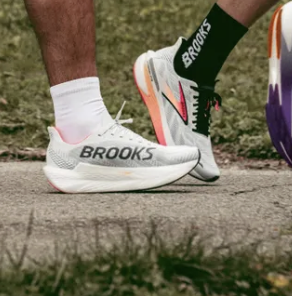
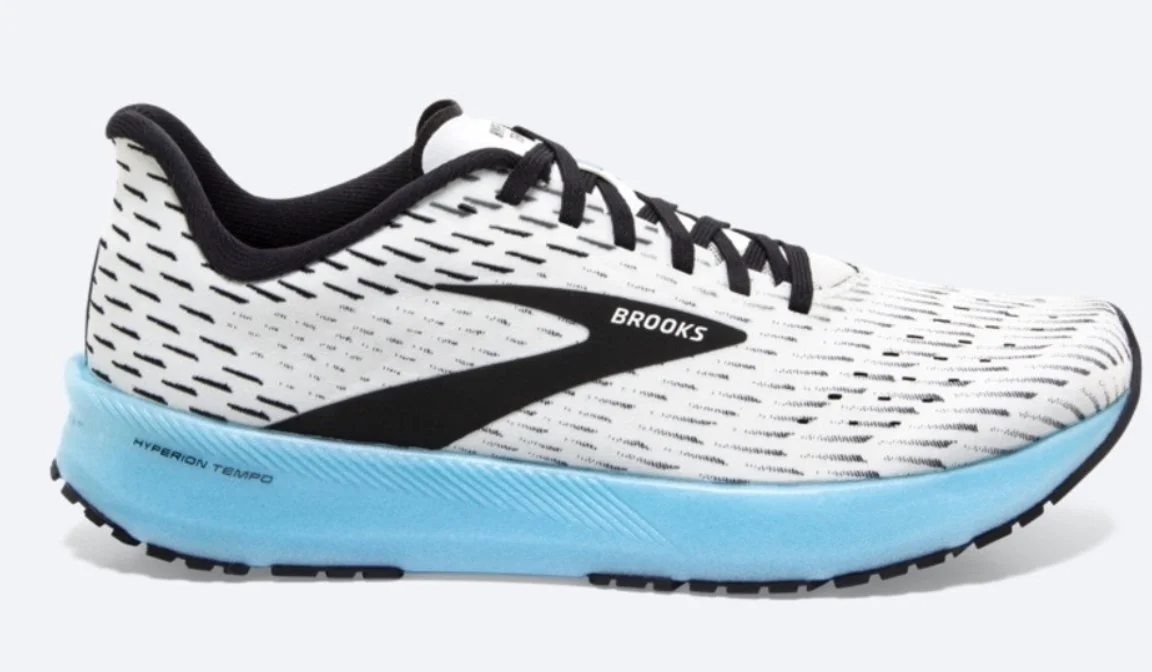
This insight solidified my decision to use Brooks Running as the brand behind my campaign. Brooks was the first running shoe brand I ever wore when I began competing in cross country in middle school. Years later, I raced in Brooks Hyperion Tempos while chasing the mile and 800m times that helped me earn a spot competing at the collegiate level. Brooks later provided shoes for my university while I competed in cross country and track, making this project feel like a true full circle moment.
I couldn't be happier to have chosen my favorite brand as the brand behind an idea that means so much to me.
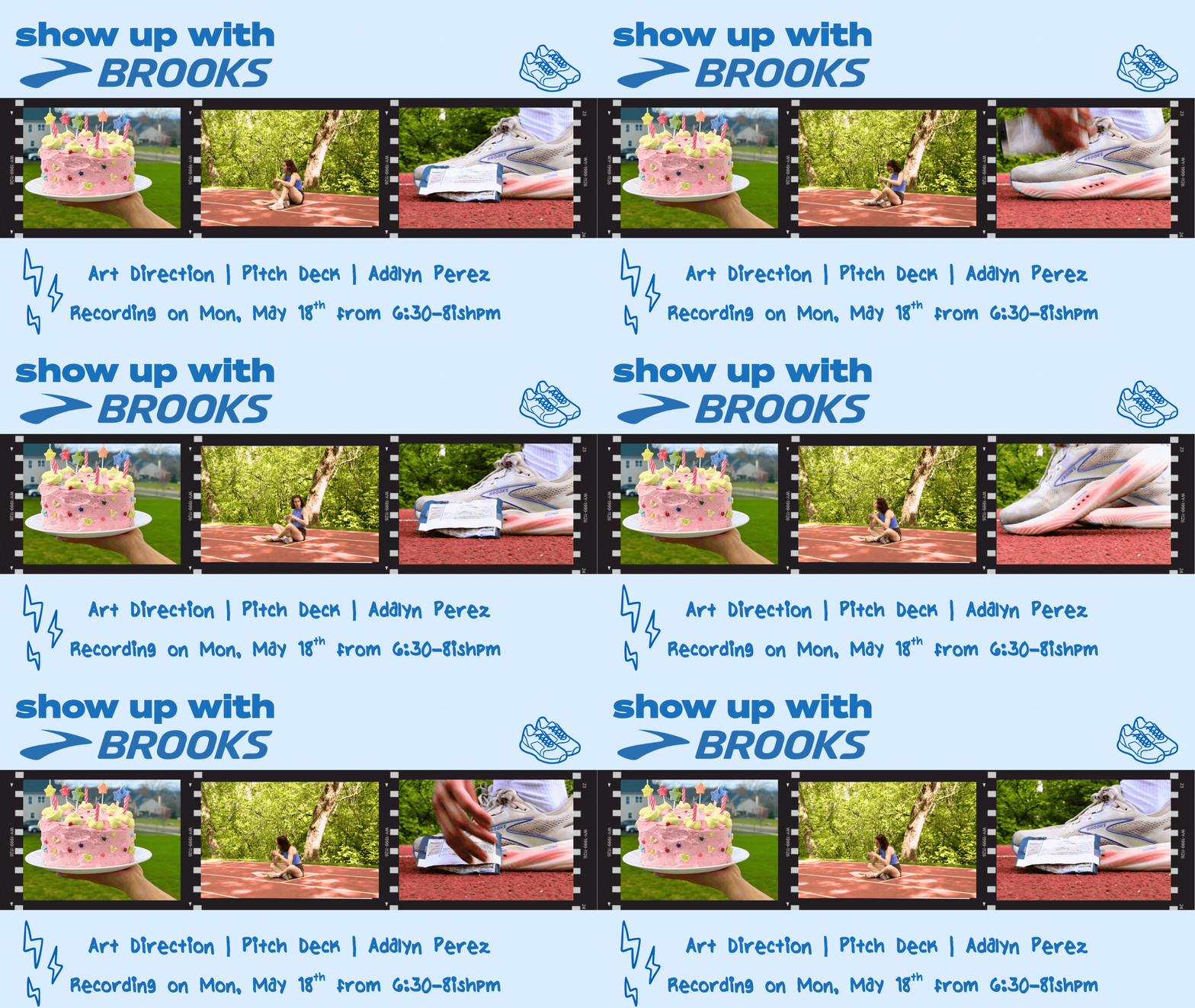
On May 18, 2026, I filmed my campaign.
Originally, the spec ad video campaign was going to be titled “Show Up With Brooks”, but on
May 20, 2026, I changed the title to something I have never seen before,
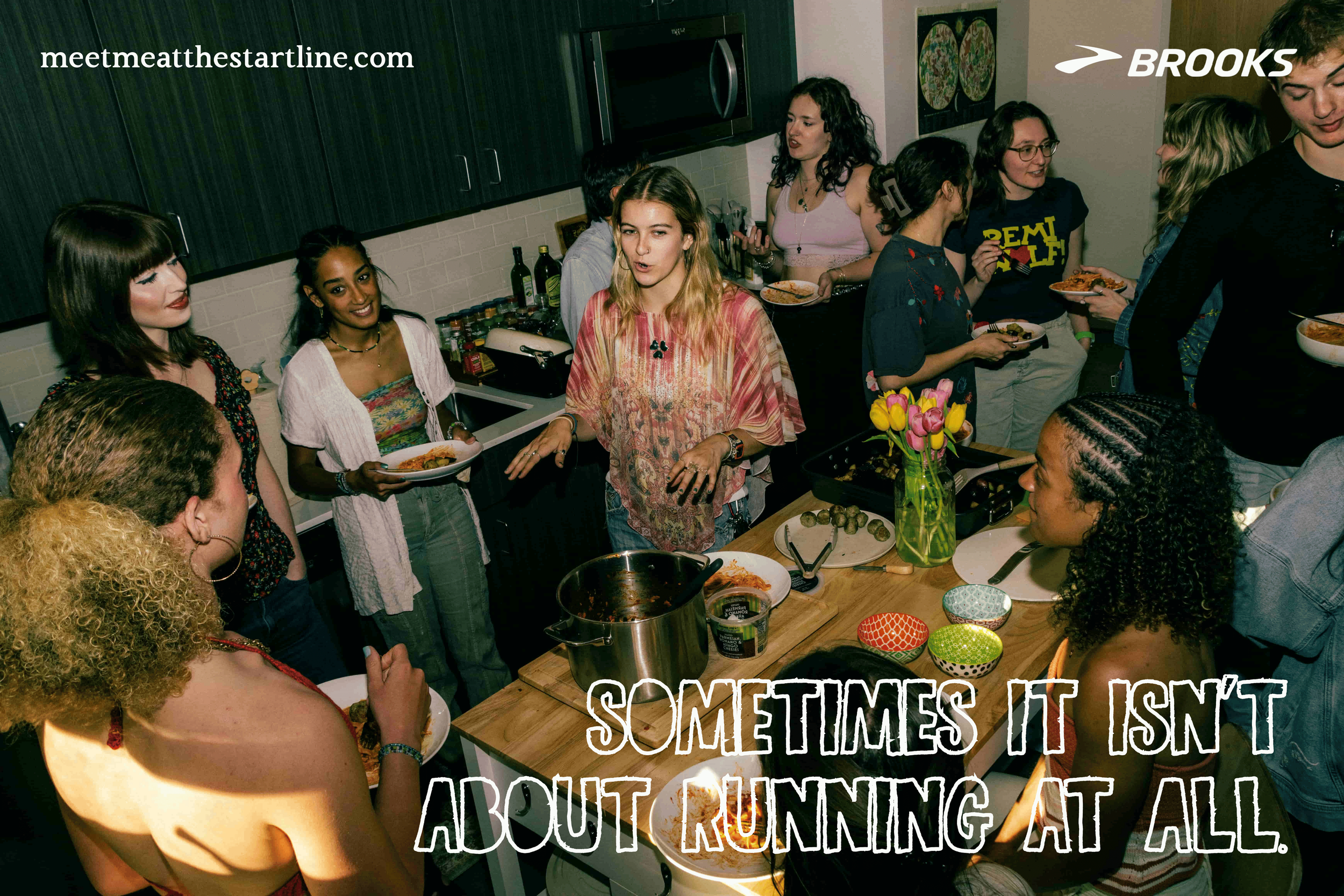
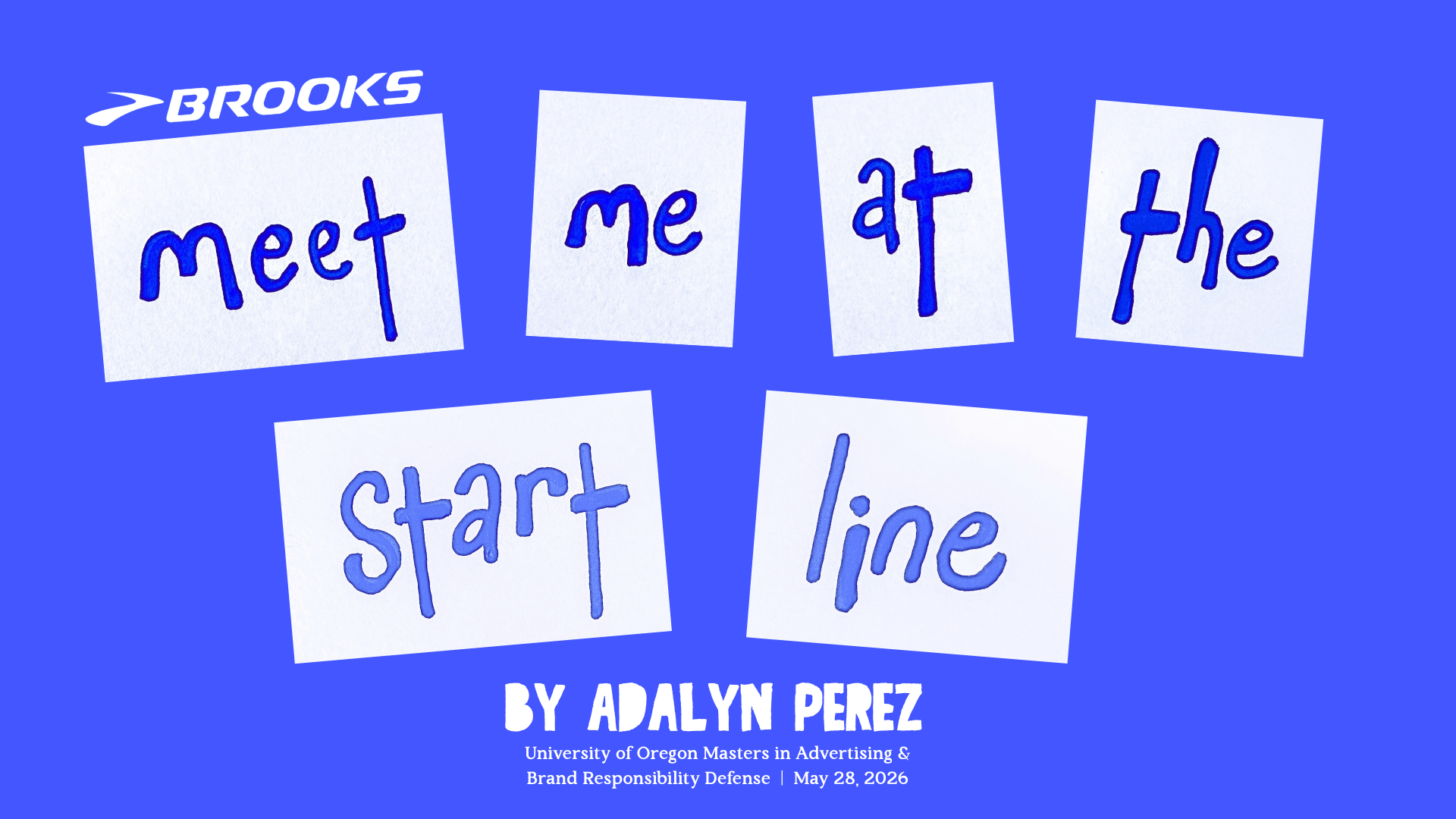
“Meet Me at the Start Line”
A Mock Direction for the Commercial
The mock campaign lives on a dedicated microsite featuring photography, podcast episodes, interview-style journals, and other supporting content.
Keep scrolling to see the process of how it all came together!
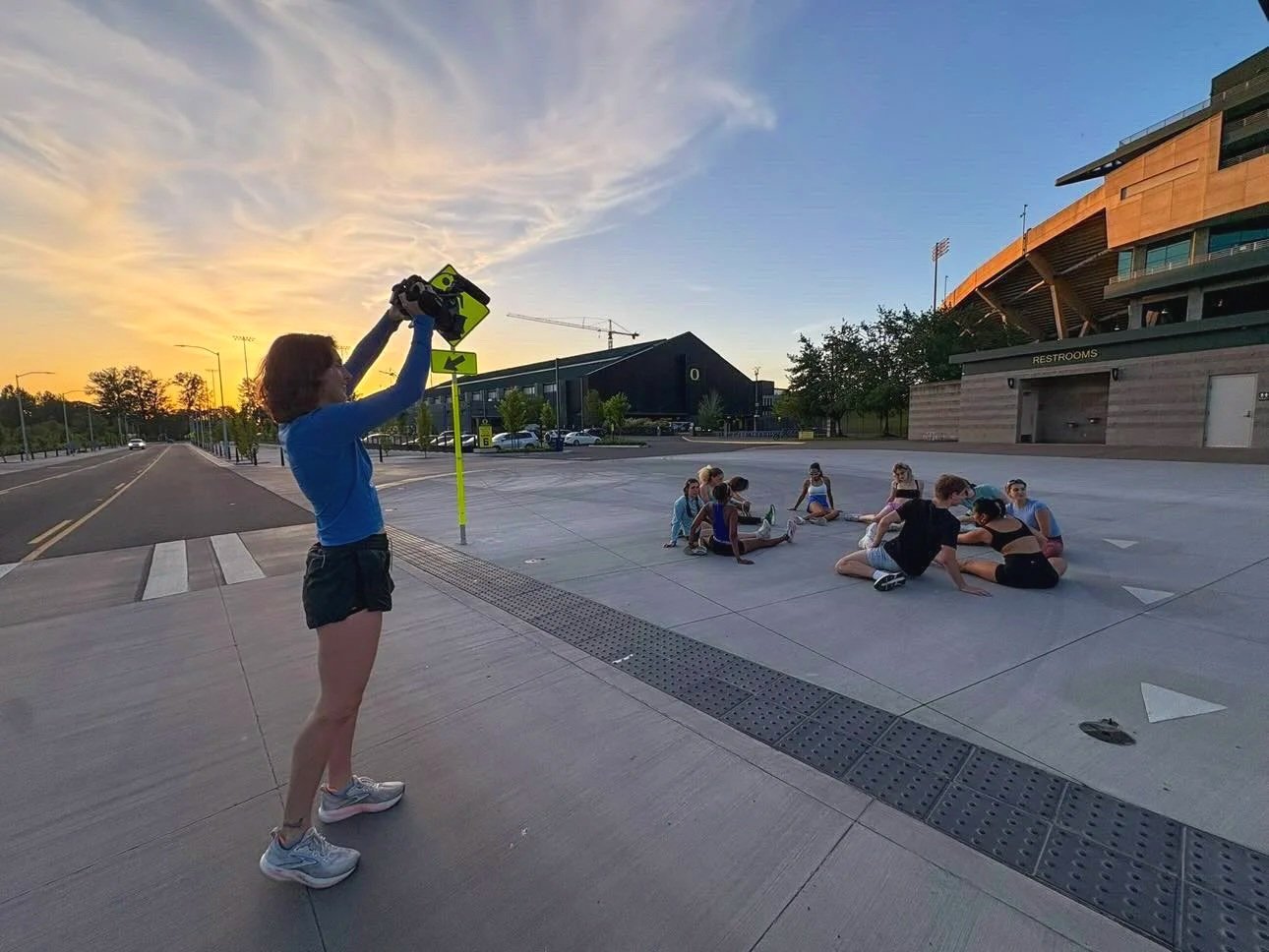
Before bringing the campaign to life,
I had to navigate several
barriers and creative constraints
while executing the project independently.
Here is how I navigated the project!
The Vision
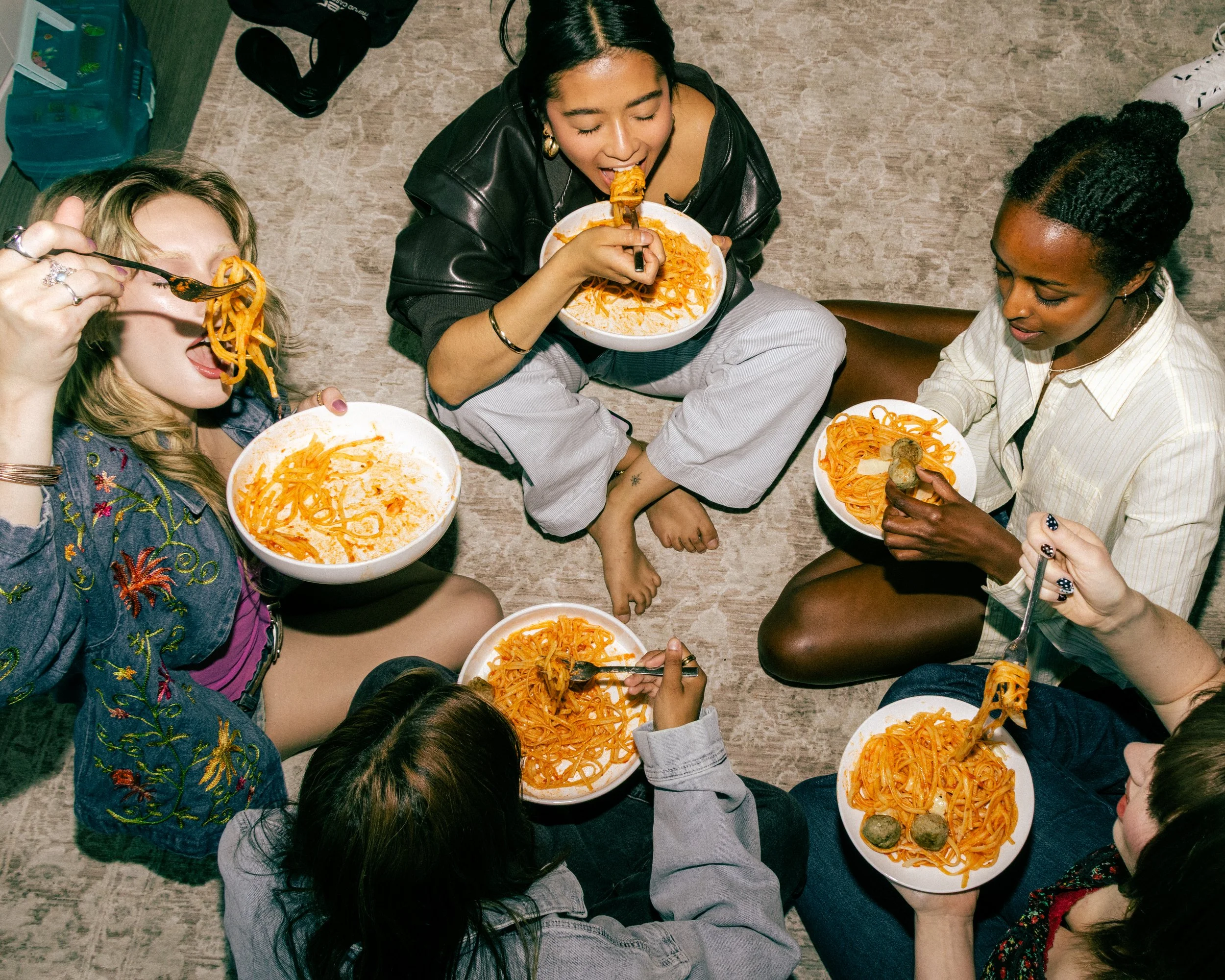
I wanted my spec ad commercial to feel real and authentic, highlighting genuine moments and memories formed within a team. The film features scenes of showing up for yourself, supporting others, and sharing food connected to meaningful memories as a subtle way to emphasize the importance of fueling without making it feel preachy or pressuring. My goal was for viewers to feel a sense of community, belonging, and safety while celebrating the best parts of distance running without focusing on competition itself.
Recruiting Via Social Media
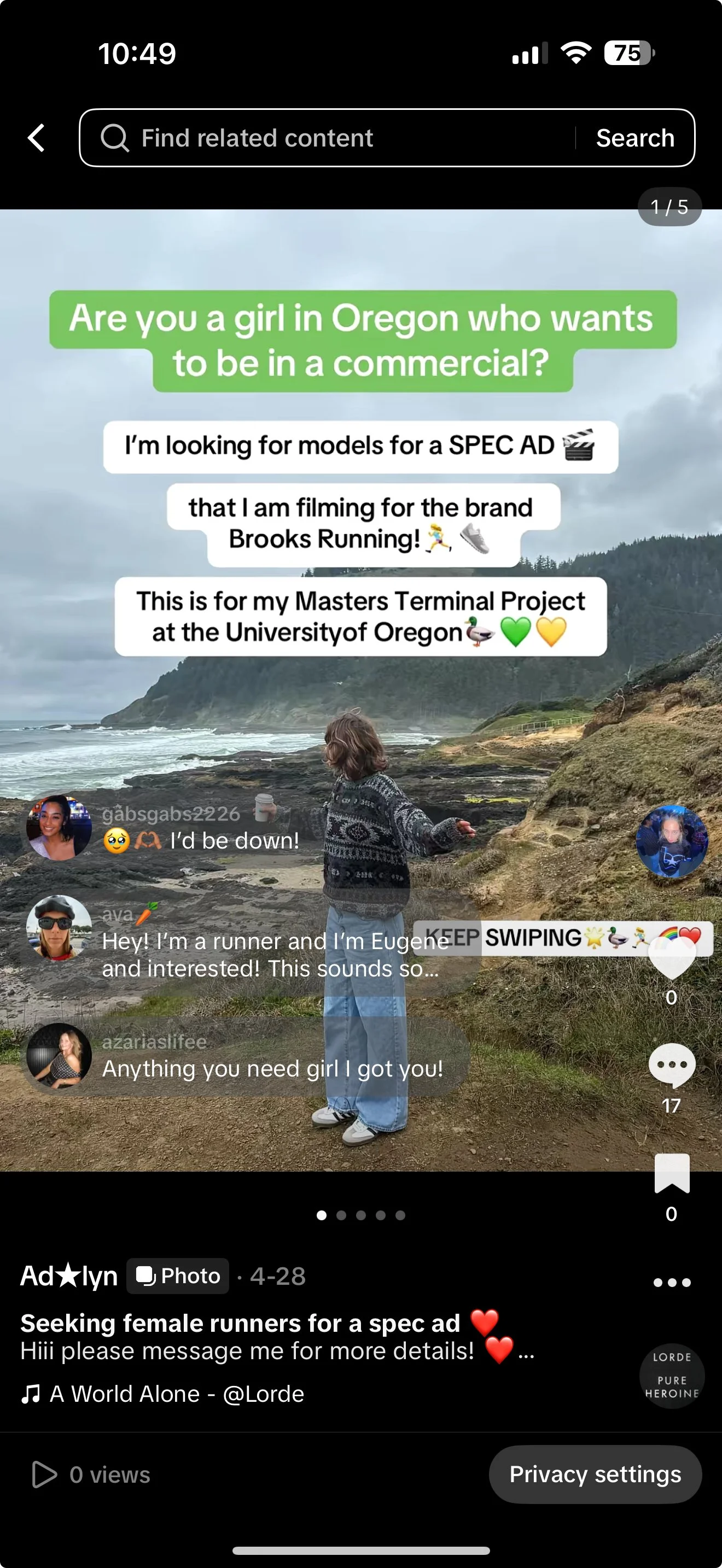
BARRIERS: I moved to Oregon from Virginia in September, meaning I only had a few months to build friendships with people who would be willing to help me, and my vision included a big group to resemble a distance running team.
I also wanted to recruit student athletes who are also influencers to create authentic running role models that align with and reinforce this messaging.
IN ADDITION, as master’s student, my budget for this commercial was limited to what I earned monthly from working at the climbing gym. I did not have the funds to pay models or a professional photographer, so I needed volunteers.
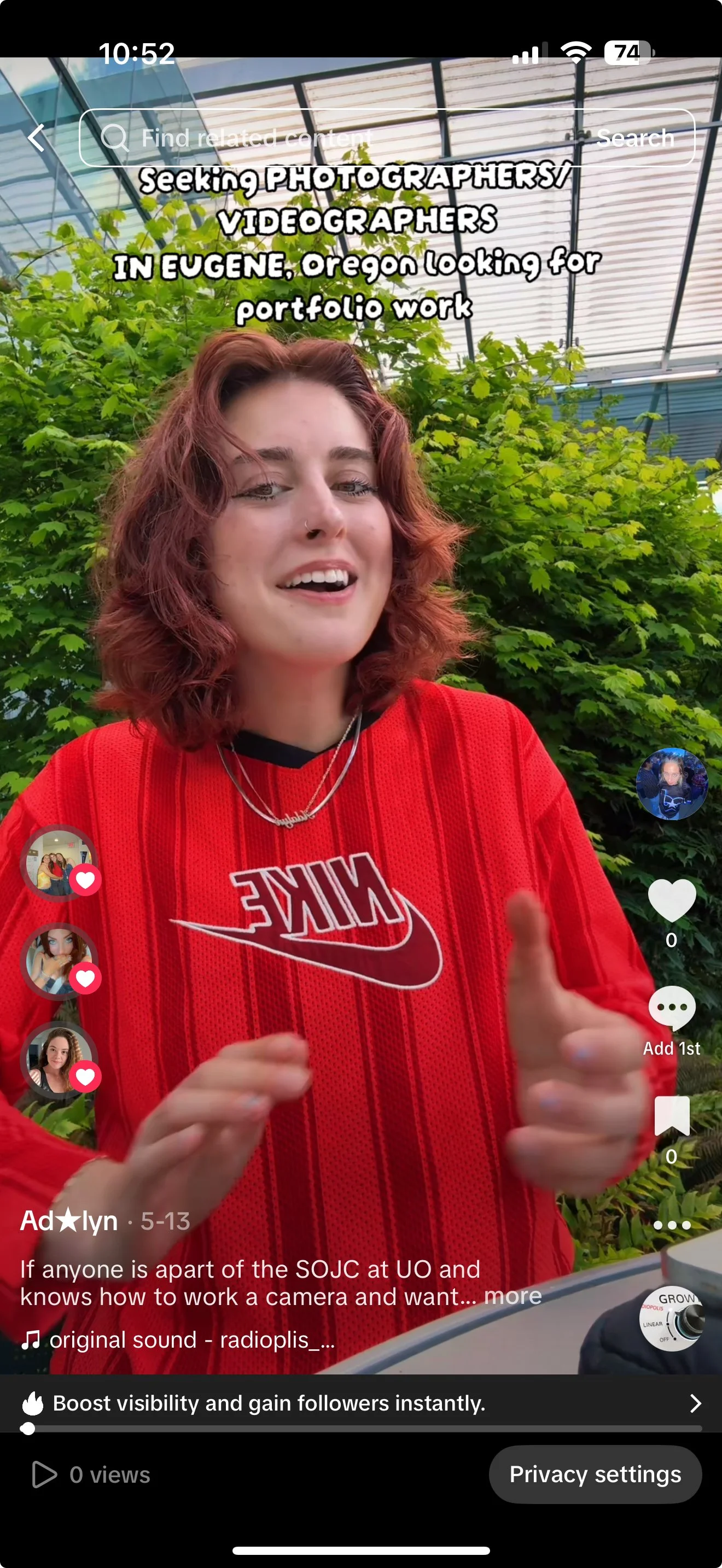
THE SOLUTION: I learned a lot about the TikTok algorithm through my years of media studies, various social media internships, and self-learning. I went straight to TikTok to scout for volunteers/ models and additional camera-help that I could bring on board for the filming process.
A time where I could not be more grateful for the internet
I was able to bring the project to life with the support of incredible volunteers, including friends from the rock gym, fellow advertising students, and University of Oregon track and field athletes.
I was especially grateful to work with UO sprinters Lakely and Niya, two talented athletes and close friends who helped embody the campaign’s themes of strength, friendship, and community beyond competition. Collaborating with each participant was a dream come true, and their enthusiasm, energy, and willingness to be involved made the experience both meaningful and incredibly fun.
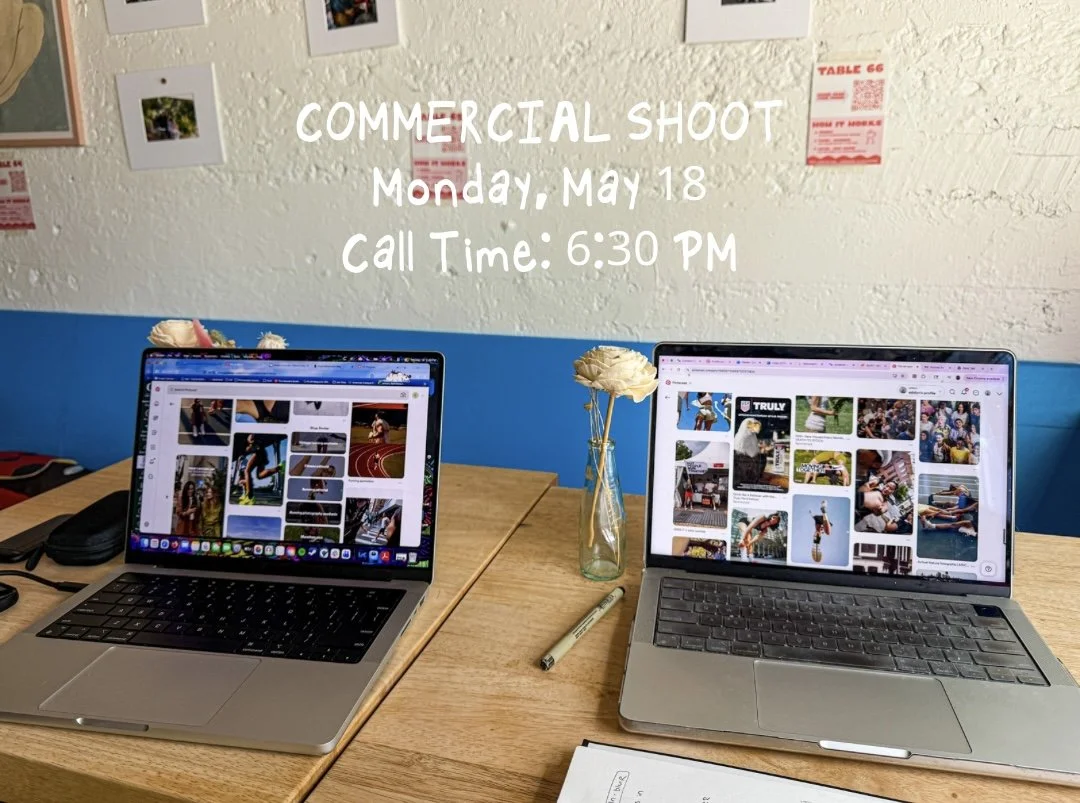
I was incredibly grateful to have photographer Camille McFaul join the project and collaborate on bringing my creative vision to life.
Through conversations about the campaign's creative direction, I developed mood boards and gained great insights from Camille regarding the planning process behind a successful photoshoot. Working with Camille taught me a great deal about visual storytelling, photography, and creative collaboration!