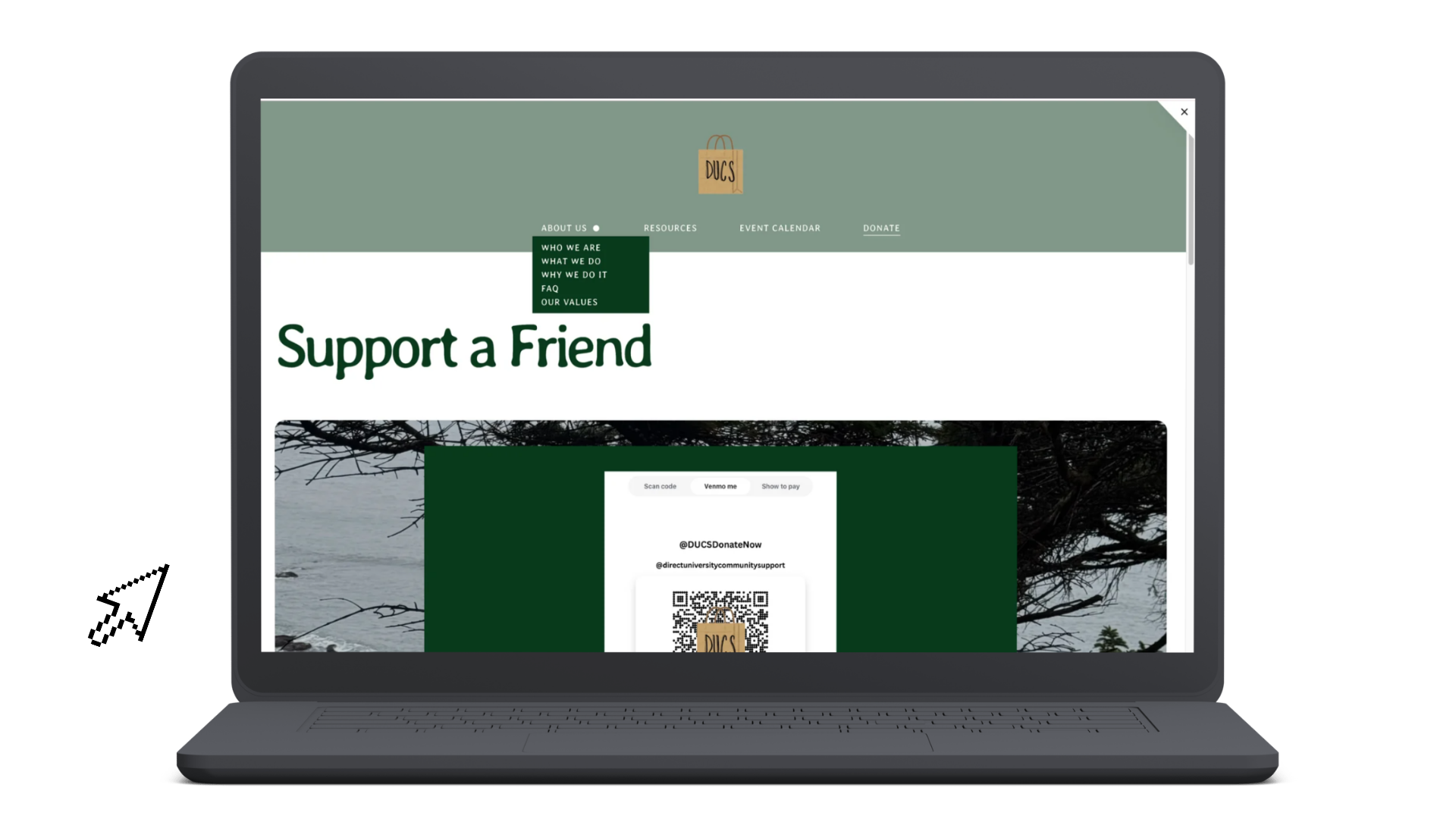
I Built a Mutual Aid Club Website
at the University of Oregon.
but why ?
the why
Homelessness is a real and visible issue in Eugene, OR.
It exists closer to campus than many people realize.
Let's start from the beginning
〰️
Let's start from the beginning 〰️
The Human Truth
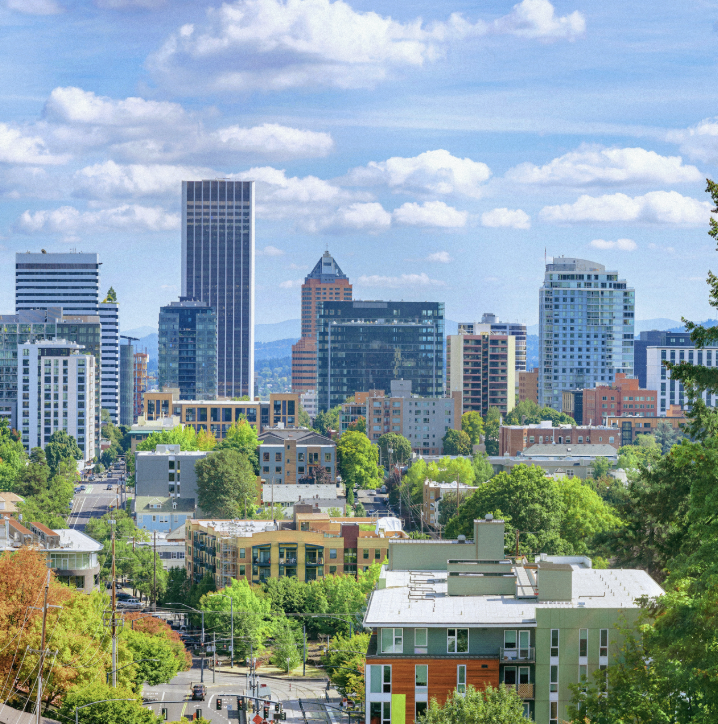
Many people in Oregon associate cities like
Portland with visible homelessness,
often shaped by what they see in media,
conversations, and day-to-day encounters.
At the same time, homelessness
is a statewide reality.
In Oregon, recent reporting from
2025–2026 estimates
that tens of thousands of people
are experiencing homelessness,
with a significant portion living without stable shelter.
With an issue this large, how many people actually think about it?
What are their thoughts? How often does it come to mind?.
As college students, we asked our peers around us through interviews and a survey, how often they think about homelessness, most said:
“Not very often.”
“Only when I see it.”
“Sometimes when it is discussed in class.”
Many students simply do not realize it exists around them.
As of 2026, it is estimated that 3%–11% of Oregon college students,
roughly 8,000 to 30,000 students statewide, experience housing insecurity
or homelessness during the academic year,
including couch surfing, unstable housing, or sleeping in cars.
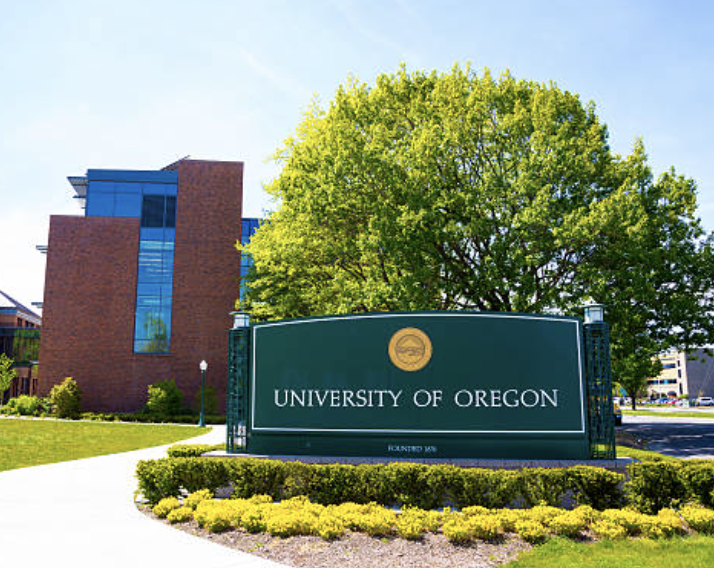
However, students occasionally think about homelessness
in general, and they rarely ever think about
homelessness within their own community.
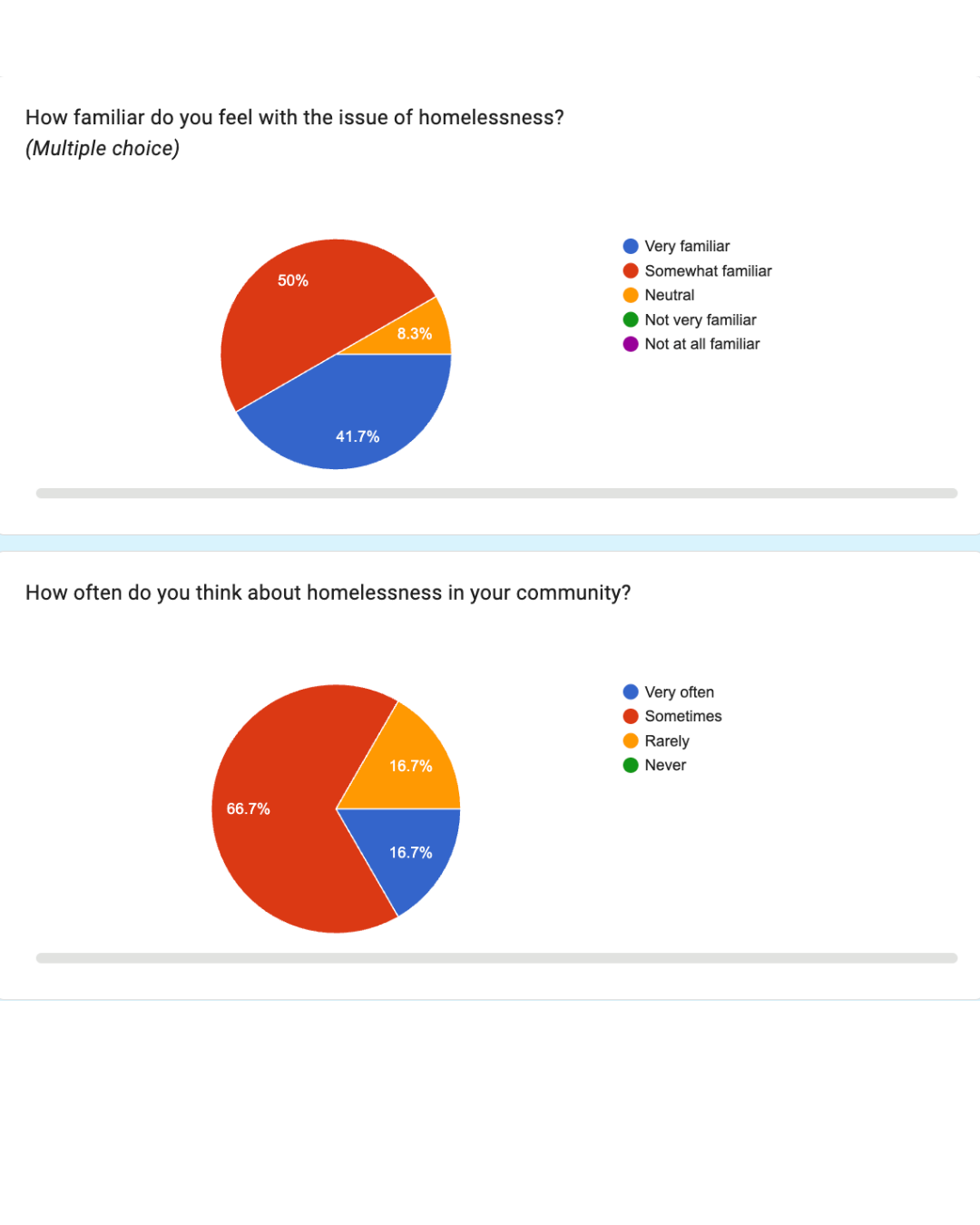
This disconnect revealed a critical gap between perception and reality:
homelessness on college campuses is not absent,
but hidden within everyday student life, obscured by stigma, normalization of financial struggle,
and the lack of visible markers typically associated with homelessness.
Recognizing that this issue exists in close proximity, within the same classrooms,
social circles, and campus spaces, shifted my focus toward college students as
both the audience and the community of impact.
Recognizing that this issue exists in close proximity, within the same classrooms,
social circles, and campus spaces, shifted my focus toward college students as
both the audience and the community of impact.
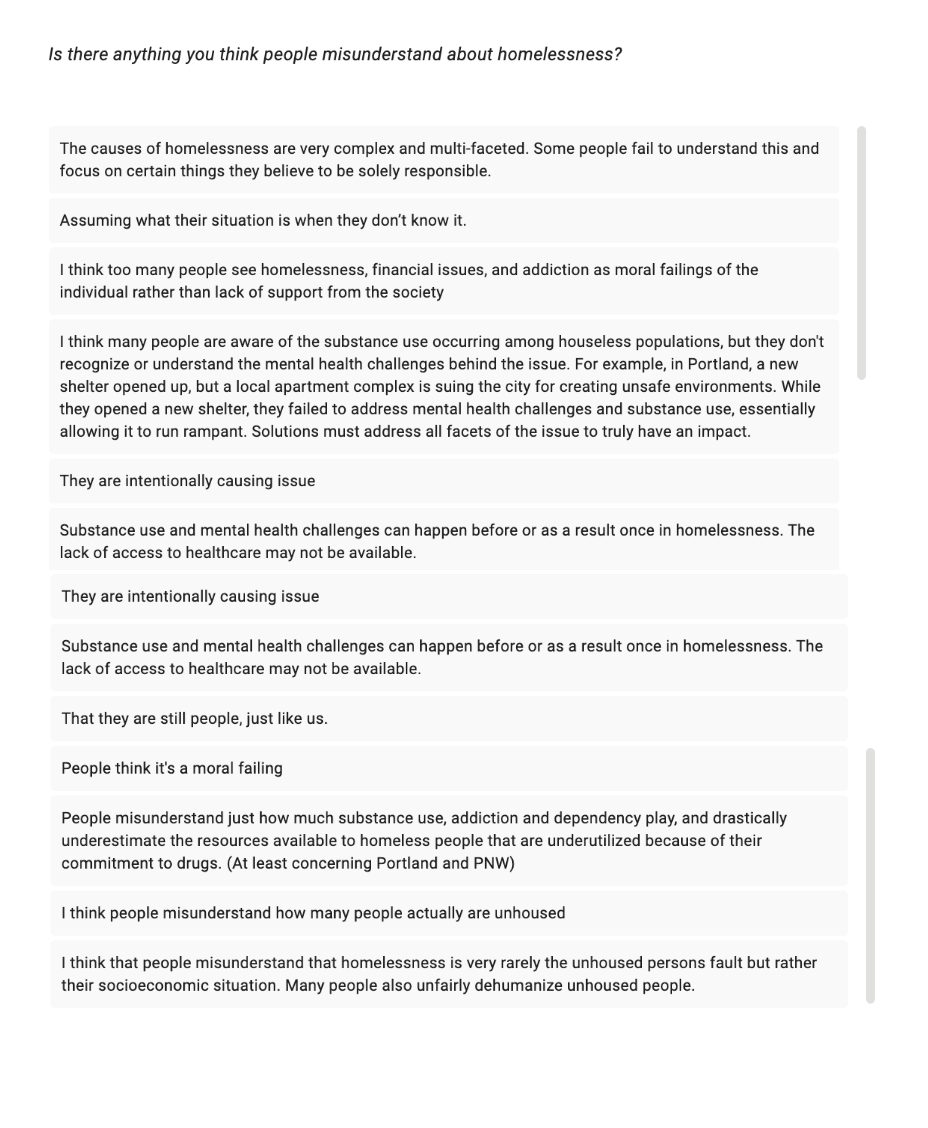
On Another Note, Students Also Stated: