Let's Rewind
〰️
Let's Rewind 〰️
THE ISSUE:
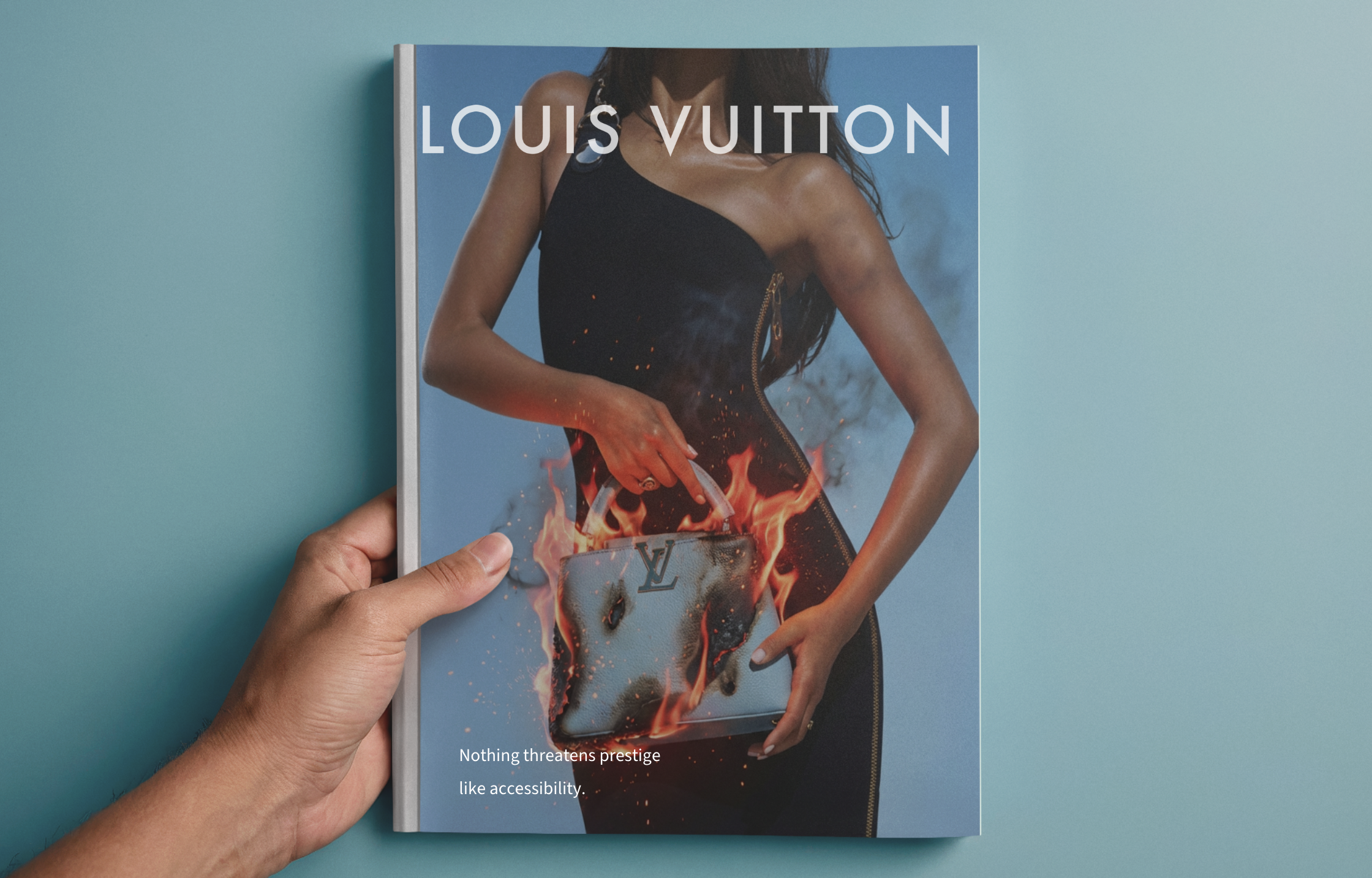
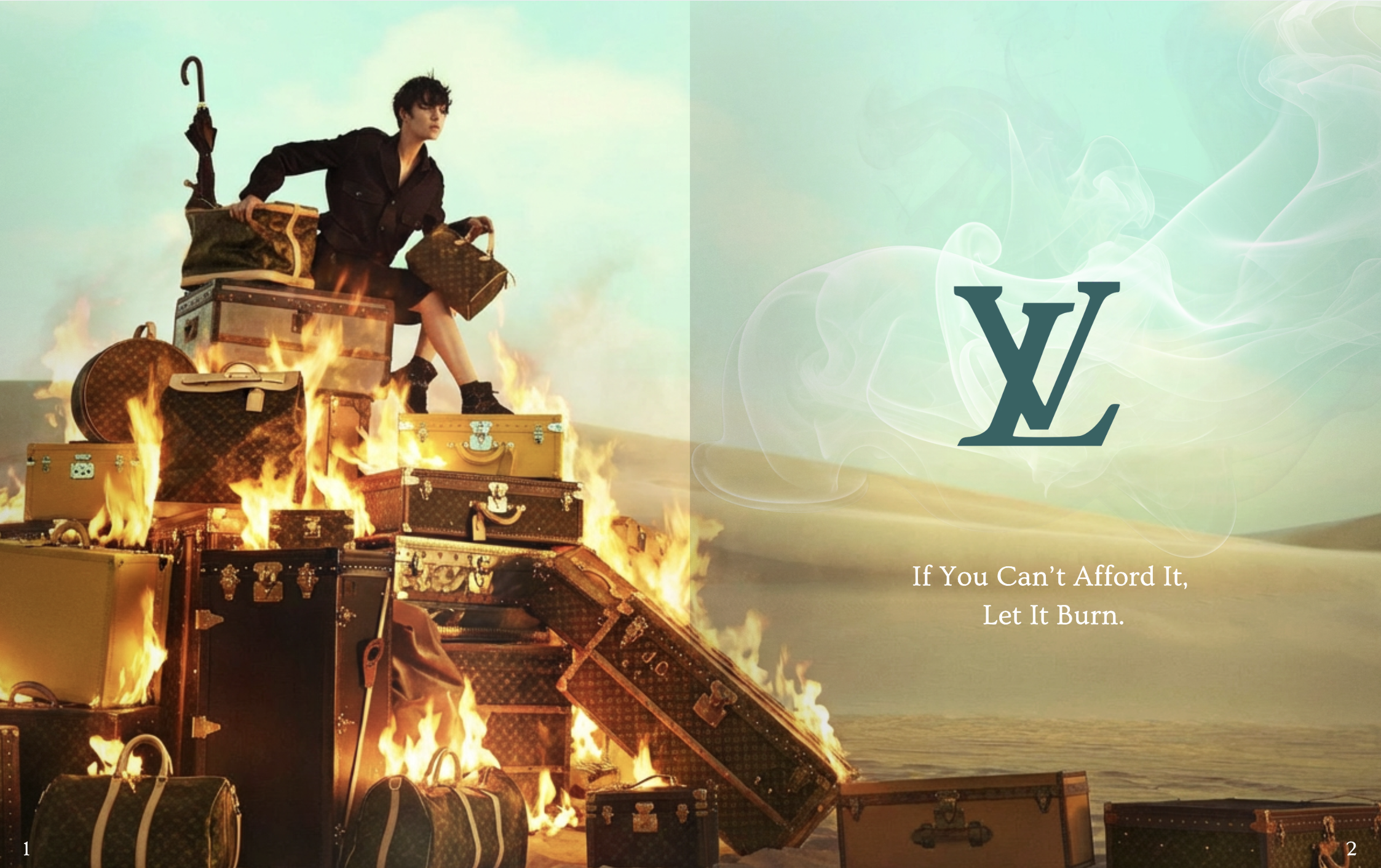
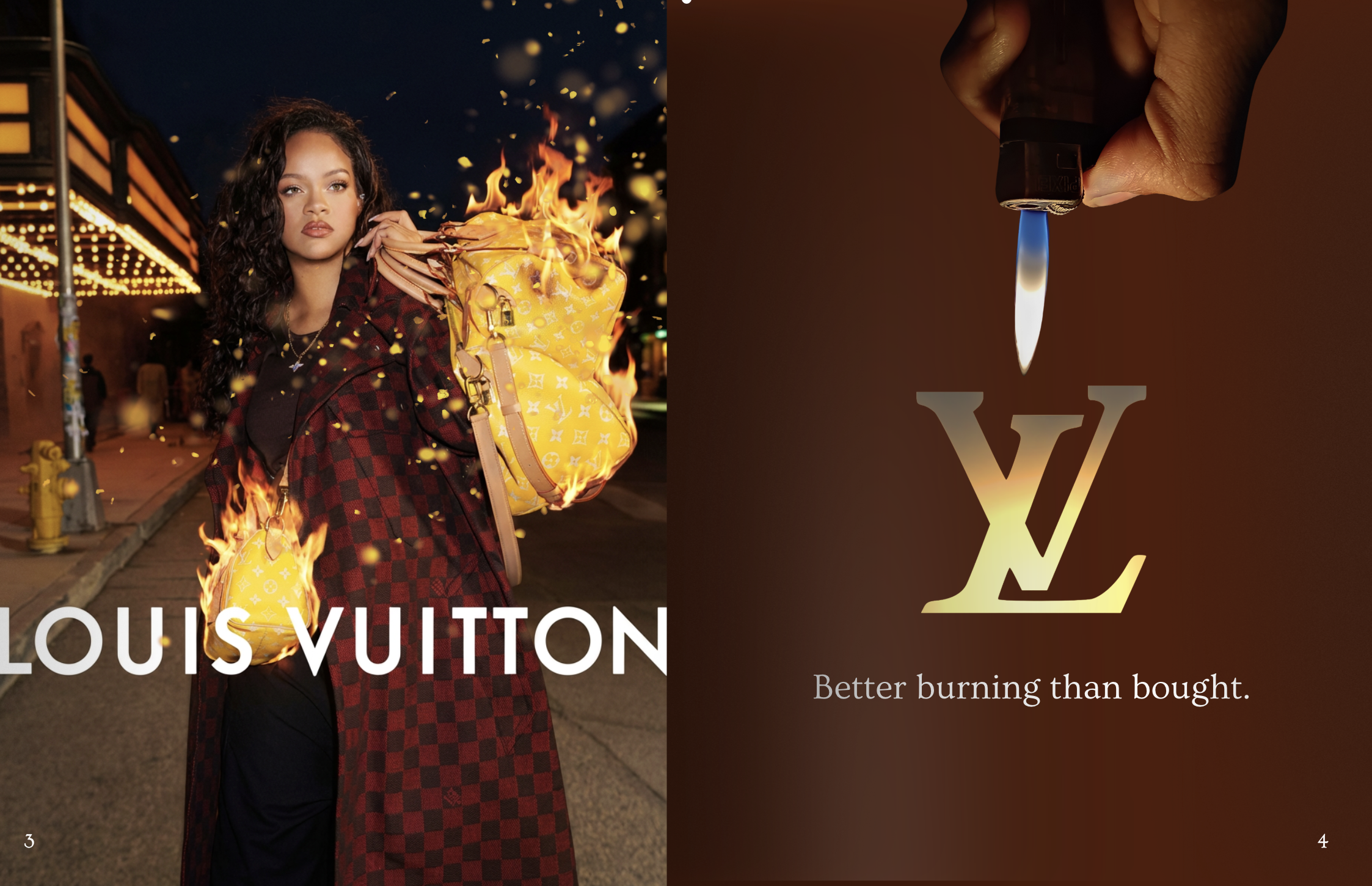
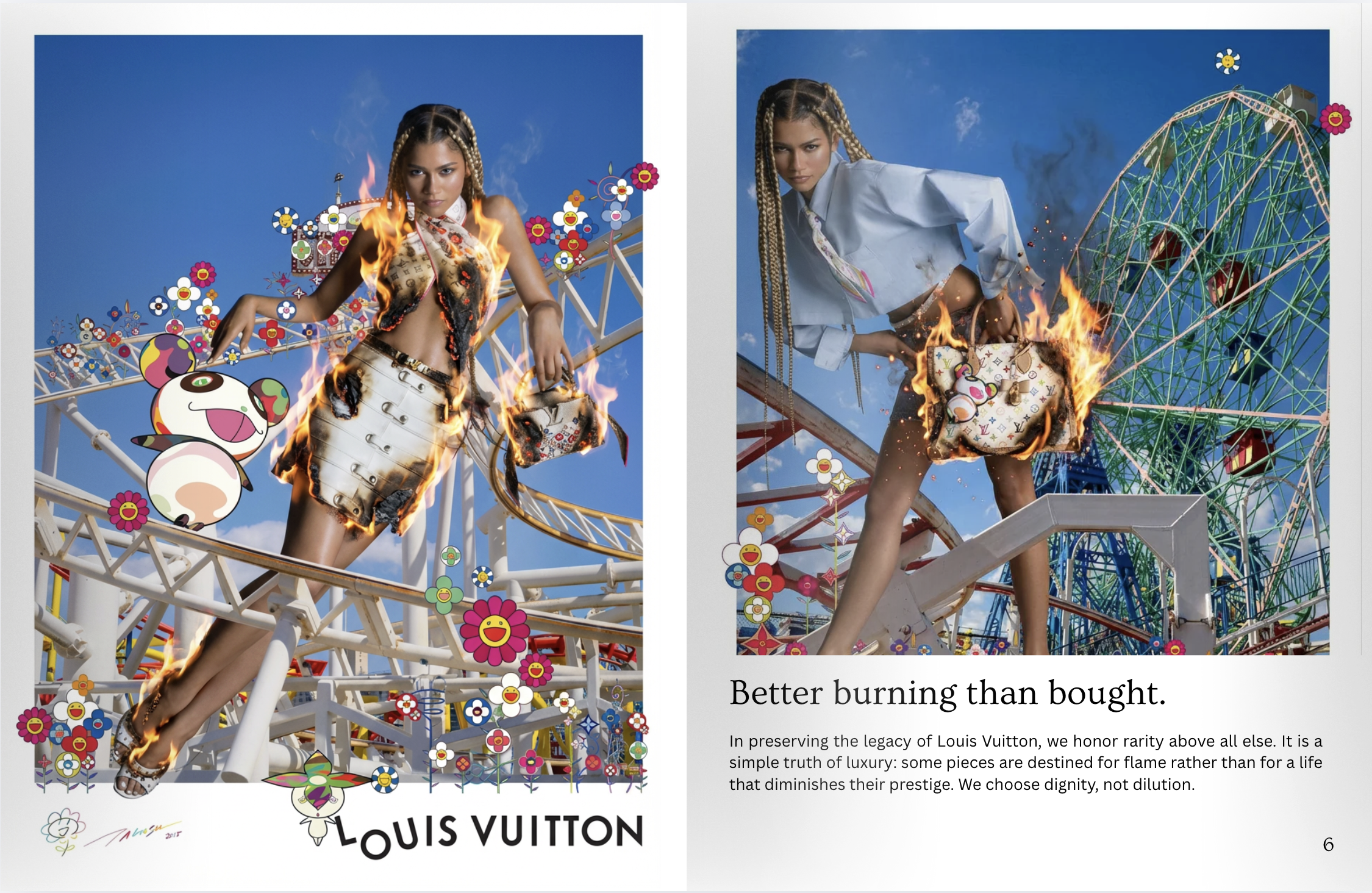
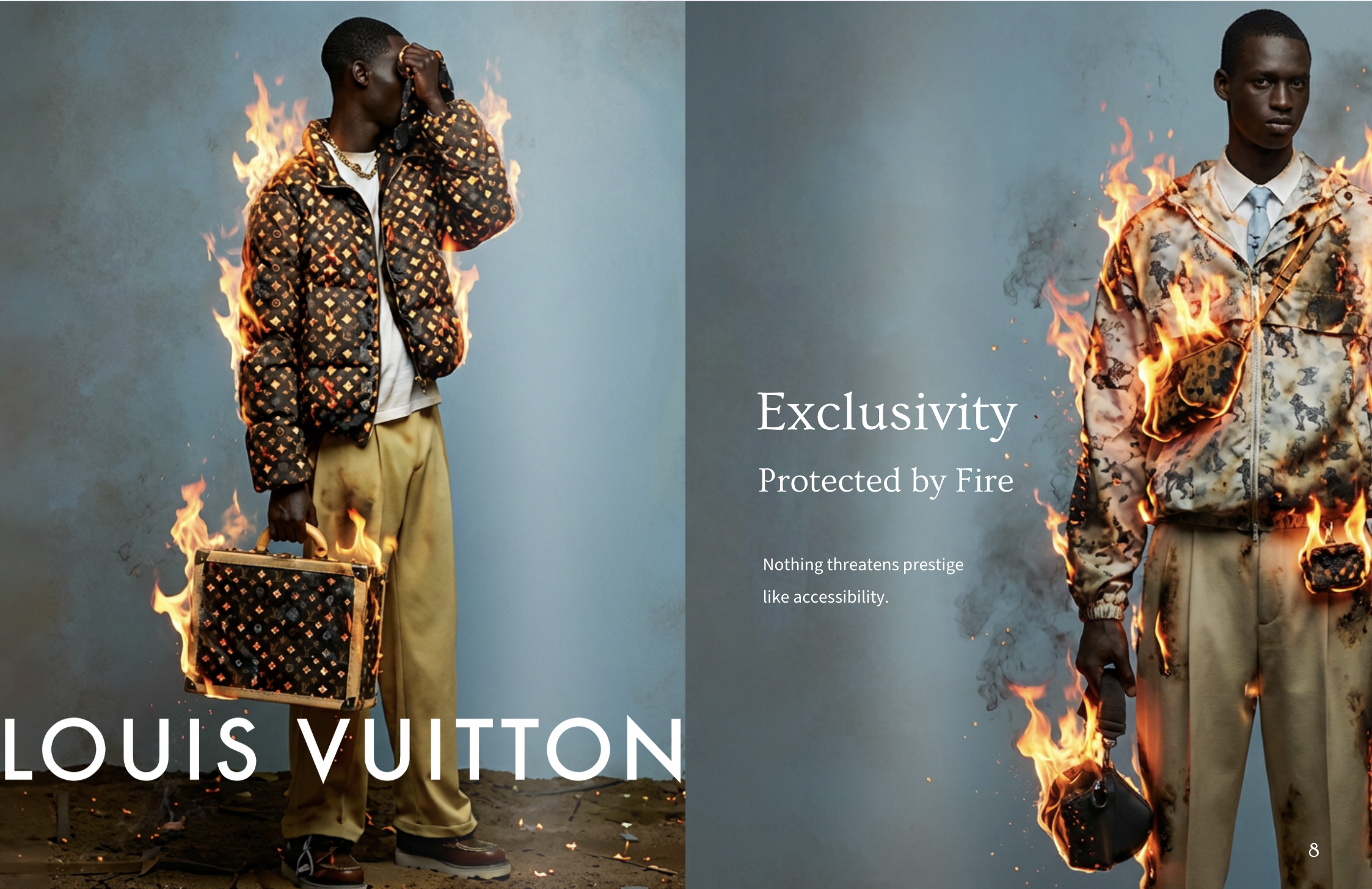
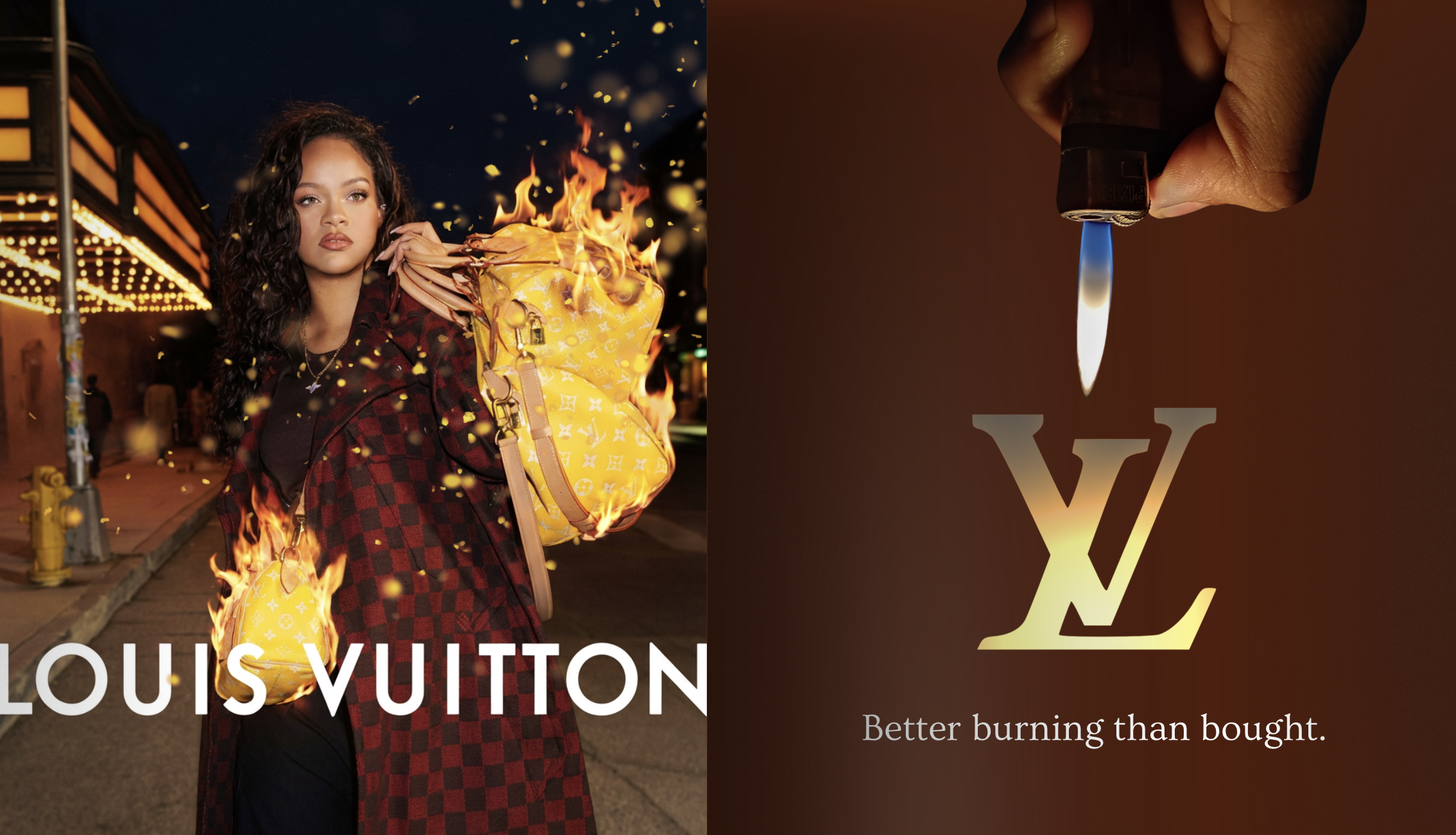
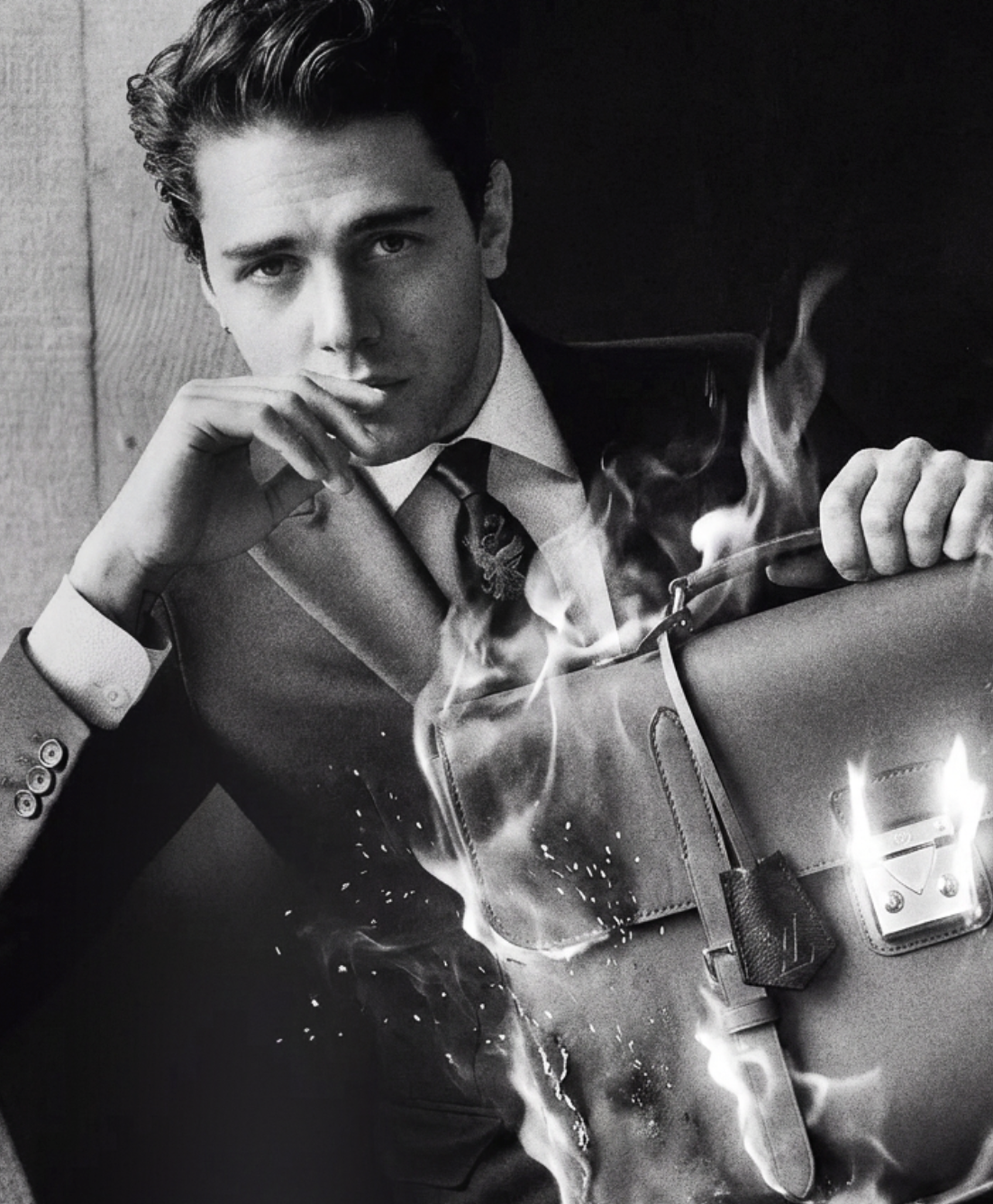
Louis Vuitton burns unsold products to protect exclusivity, maintain brand value, and prevent resale.The problem is that the brand promotes itself as ethical, timeless, and built to last, while destroying perfectly usable inventory.
Its marketing focuses on durability, legacy, and
“forever pieces,”
but behind that image is a system driven by
scarcity and environmental waste.
In the end, the company appears to prioritize
brand image over environmental responsibility.
BURNING UNSOLD STOCK IS
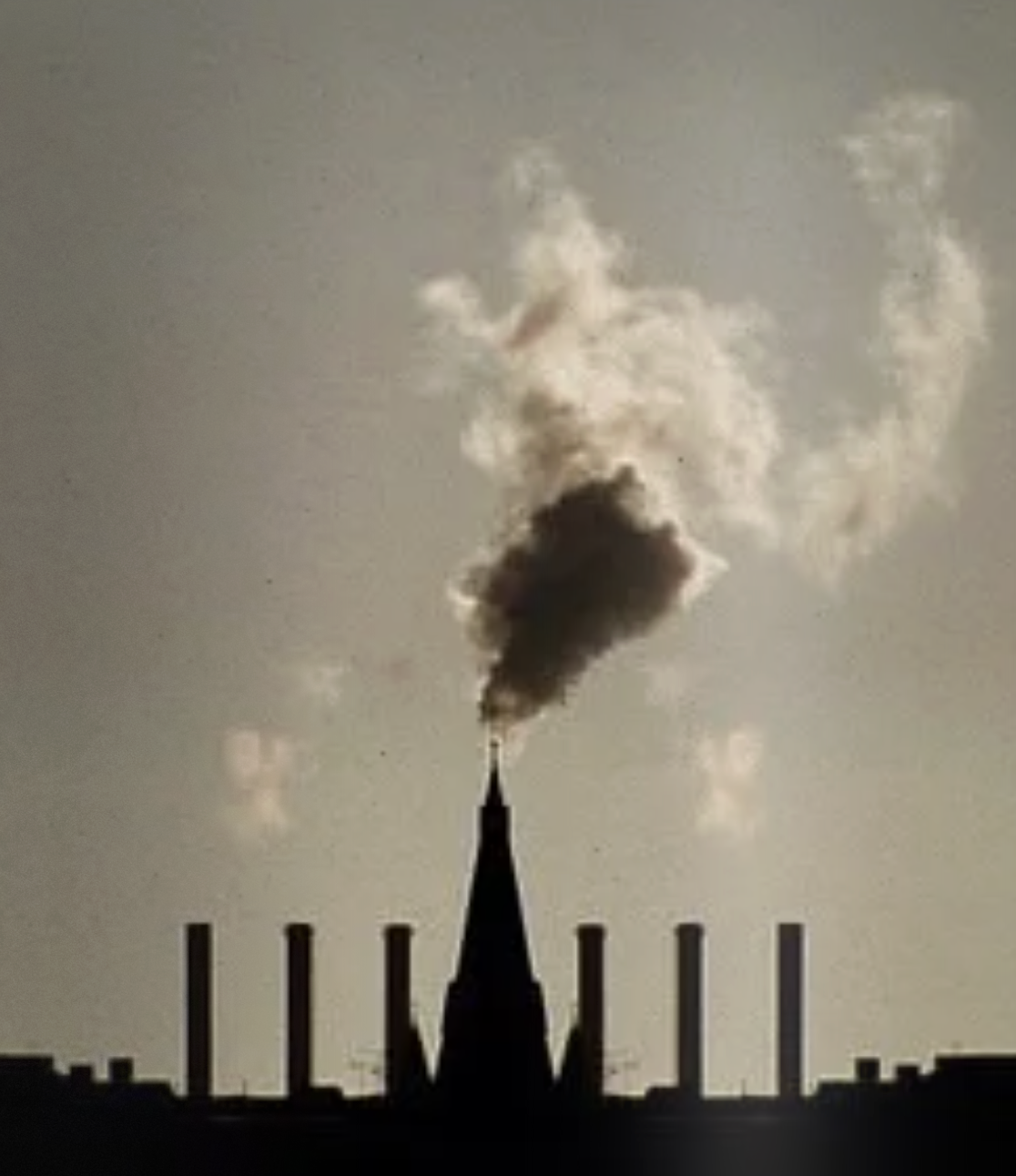
ENVIRONMENTALLY HARMFUL
why?
-
Burning unsold inventory produces significant CO₂ emissions while discarding the energy, water, and chemicals used in production, turning valuable resources into waste.
-
The destruction of unsold goods results in the loss of animal-derived materials such as calfskin and exotic leathers, raising ethical concerns about unnecessary waste.
-
Incinerating usable products exposes a disconnect between the brand’s messaging of timeless quality, responsibility, and craftsmanship and its actual practices.
TARGET
AUDIENCE
and no, we aren’t targetting the super rich … here’s why
-
Aspirational luxury consumers (ages 18–35) who are not ultra-wealthy, but actively engage with and desire luxury brands like Louis Vuitton.
-
Young professionals, fashion-curious Gen Z, and millennials. It also includes people who save up for a single luxury piece, follow TikTok luxury hauls, and participate in resale or vintage LV markets.
-
This group sustains Louis Vuitton’s cultural relevance. While they admire the brand, their relationship with luxury is more fragile, purchasing often requires financial trade-offs, making them more emotionally and critically engaged.
-
Because luxury purchases can feel like a stretch, this audience is more likely to internalize contradictions in the brand’s messaging. The critique feels personal, not abstract.
-
The ultra-wealthy are largely ineffective as a target audience because they are insulated from anti-consumerist critique. Luxury is normalized in their daily lives, and actions like burning a Louis Vuitton bag are unlikely to challenge their perceptions or behavior.

CONSUMER PROFILE
Sophia is a 28 year old graphic designer living in
NYC.
She works 40 hours a week, rents a small
apartment, and budgets. She’s been saving up for a LV
handbag, to symbolize her status and being an adult. She
follows fashion influencers on TikTok, browses resale
platforms for vintage bags, but still sometimes feels
guilty about the environmental and ethical implications
behind luxury manufacturing.

DISTRIBUTION CHANNELS
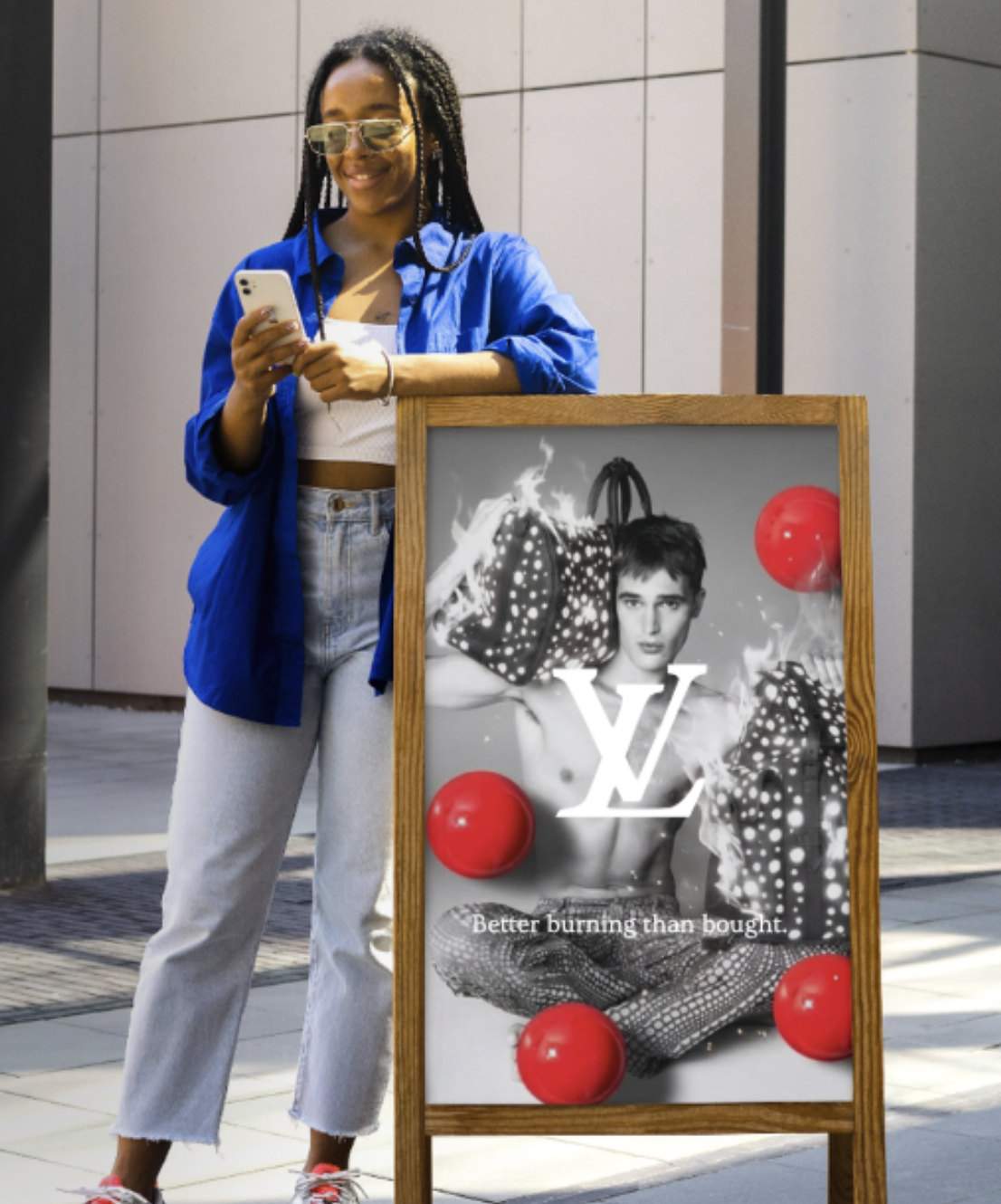
-
Our target audience spends a lot of time on these platforms. A burning-bag video or meme would disrupt the usual “haul” cycle and catch attention.
-
Aspirational buyers turn to resale to justify luxury. Embedding the message here hits
people already wondering if luxury is worth it, especially because vintage shoppers are often both environmentally conscious, and fashion interested.
-
This jam could also work well in a magazine format, discreetly placed among other fashion literature. The ad will appear normal at first glance, but it will draw attention upon a second look. Positioning our culture jam alongside promotional material for luxury consumerism ensures we reach an audience that cares about fashion while highlighting a stark contrast from the surrounding content.
OUR “WHY”
Louis Vuitton talks a lot about sustainability, protecting biodiversity,
supporting projects like People for Wildlife,
and reducing their environmental impact.
But it’s hard to ignore the irony
when the same brand destroys
unsold bags to protect exclusivity.
On one hand, they position themselves as champions of the planet;
on the other, they are burning perfectly good products that
could have been reused, resold, or repurposed.
It creates a significant contrast between the image they project
and the choices they make behind the scenes,
making their sustainability message feel more like a
marketing tool than a genuine commitment.