

The Night Isn’t Dead. It’s Just Undesigned
Eugene, Oregon
kind of shuts down at night.
Most places close early, and what’s left is pretty much just bars.
Meanwhile, spaces downtown like the Market Pavilion sit empty after dark.
At the same time, people still want to go out, just not in the same way.
Especially Gen Z.
They are not as into traditional nightlife,
but they are looking for something to do,
somewhere to go,
somewhere to be.
Eugene lacks accessible, safe, and engaging
alternatives to nightlife, which limits options
for people who don’t want to drink or go to bars,
leaves public spaces underused at night,
and reinforces a city structure centered
around a 9–5 daytime lifestyle.
The audience is Gen Z and young adults, including night owls
and shift workers, as well as creatives, students, and
community-driven individuals
seeking connection outside of bars and clubs.
It is not that people do not want nightlife.
It is that they want something different.
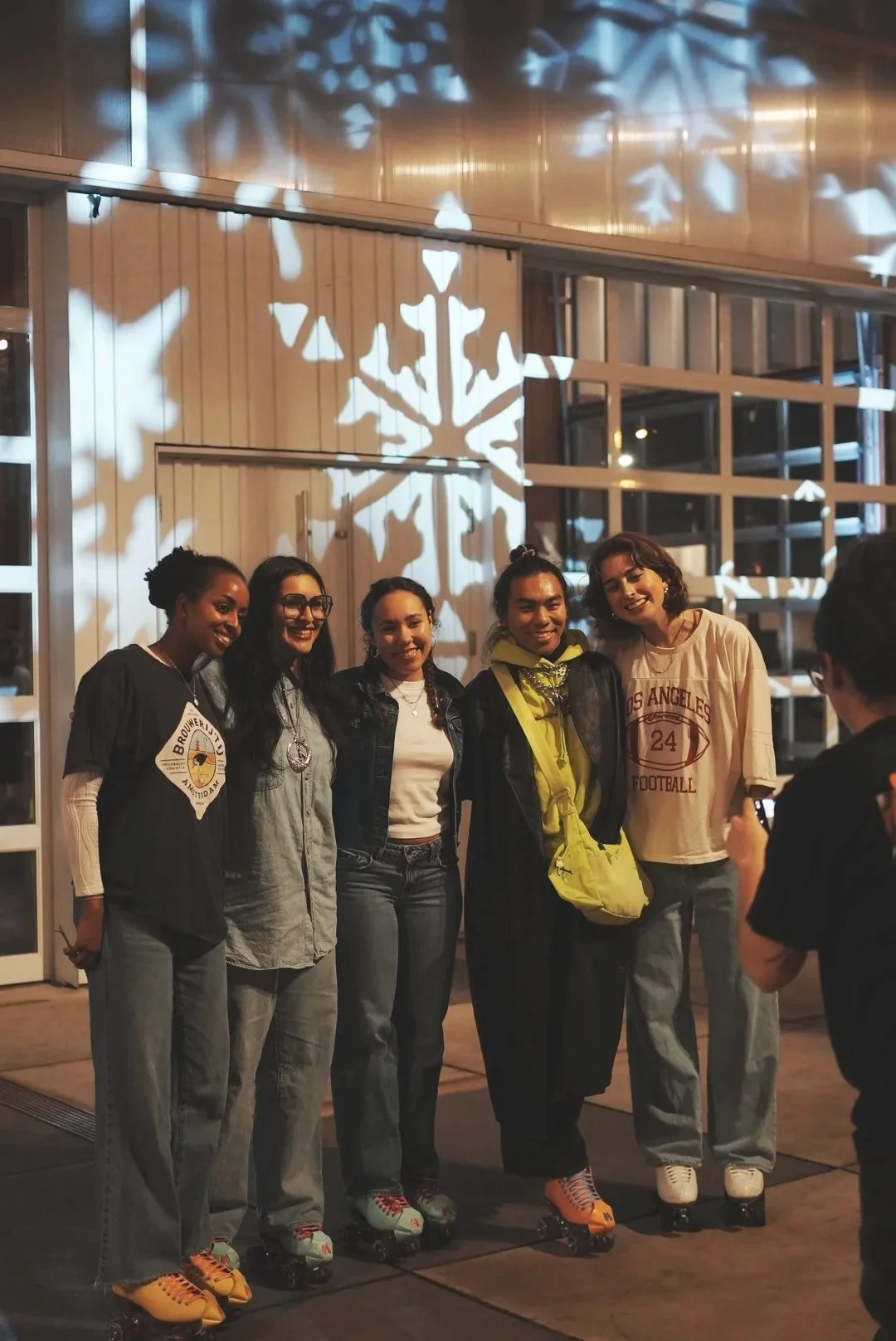
People are craving spaces that feel social, creative, and low pressure.
Places where you can just exist, hang out,
meet people without everything revolving around alcohol.
The opportunity is to activate nighttime
as an untapped cultural and economic resource,
especially since night economies can account for
around 3% of GDP,
roughly 16% of people work non-traditional hours,
and existing downtown infrastructure
is already in place but underutilized after dark.
Safety + lighting concerns
Transportation limitations at night
Lack of inviting, well-designed spaces
Reframe nighttime as a shared public
space and cultural asset, not just nightlife.
Activate underutilized downtown areas through:
Community-driven programming
Safer, well-lit environments
Accessible, inclusive experiences

Life At Night, Not Just Nightlife:
Transform Eugene’s downtown
into a vibrant nighttime hub centered around connection,
creativity, and accessibility, not alcohol.
Convert Market Pavilion into a night hub
Introduce food trucks + night markets
Close streets for pedestrian-first experiences
Host events (art, music, pop-ups, community gatherings)
Reframe the night as a public
resource, not a liability.
68% of Gen Z go out less to traditional nightlife
95% want real-world experiences tied to their interests
Successful models exist globally (Amsterdam, Melbourne, etc.)

Increased nighttime foot traffic,
higher after-hours local
business revenue,
stronger event attendance with
repeat visits,
and improved perceptions of safety.
Warm, glowing lighting (vs harsh street lighting)
“City as living room” feeling
Intimate, communal, creative energy